

Pivot International is a product development and contract manufacturing company headquartered in Lenexa, Kansas, in the Kansas City metro. Founded in 1972, Pivot takes products from concept to volume production under one roof: industrial design, mechanical and electrical engineering, optics, prototyping, regulatory compliance, and manufacturing across thirteen facilities in North America, Europe, and Asia.
They employ well over a hundred engineers of their own. That depth is in the physical disciplines, which is exactly where a connected product gets difficult: the hardware is theirs, and the software that has to run on it, update in the field, and behave correctly in two regulatory markets is a different problem entirely.
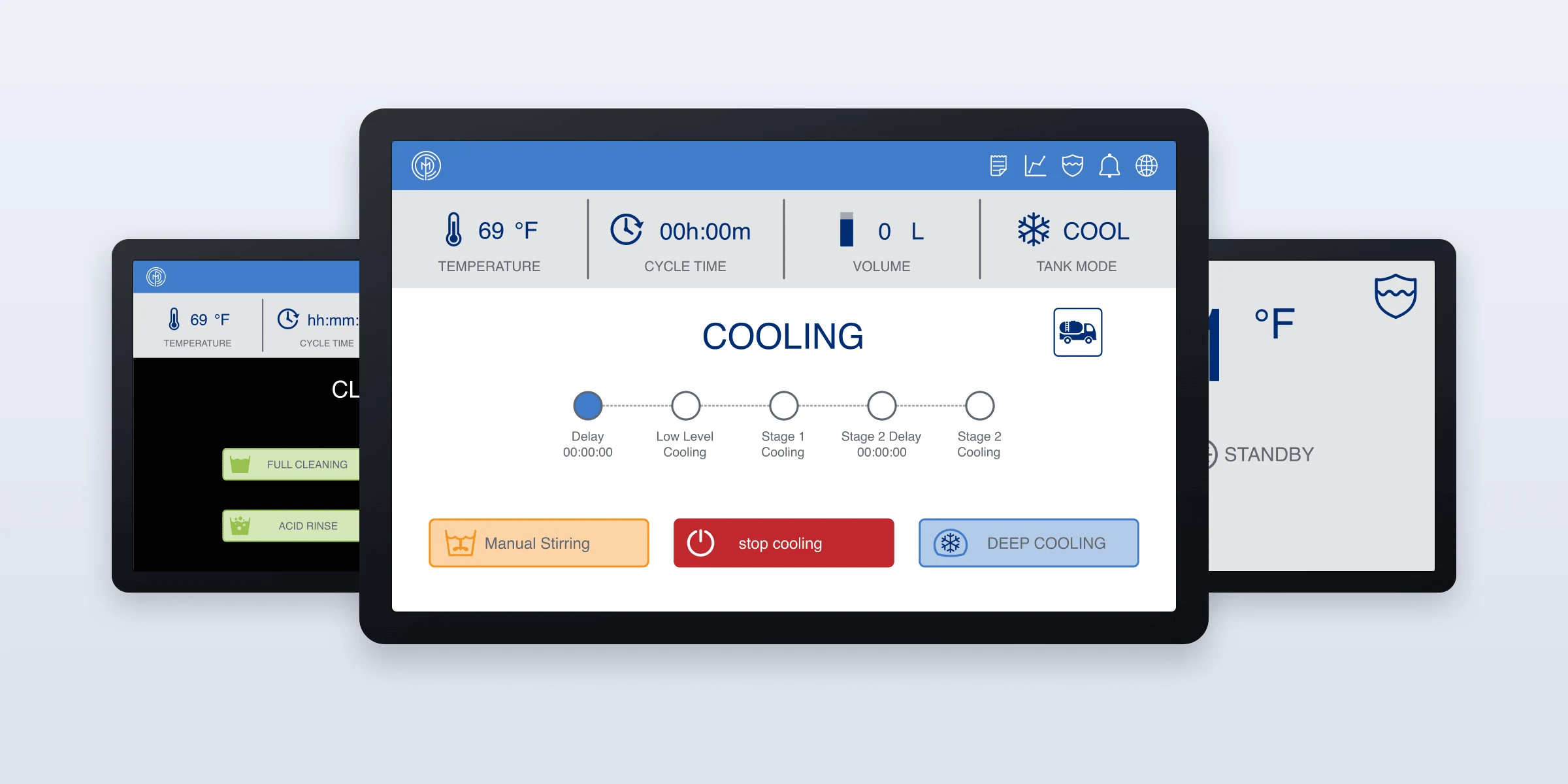
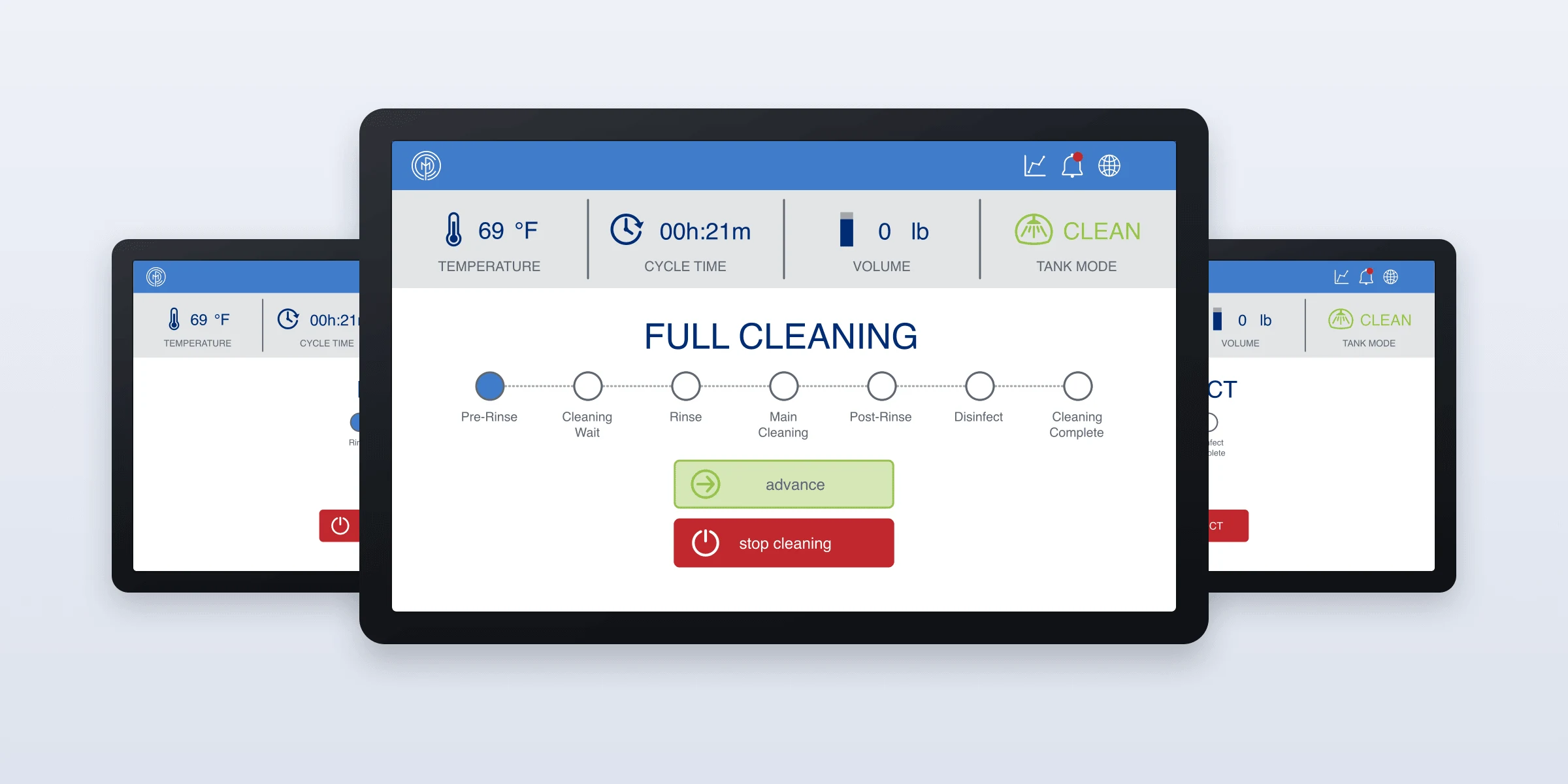
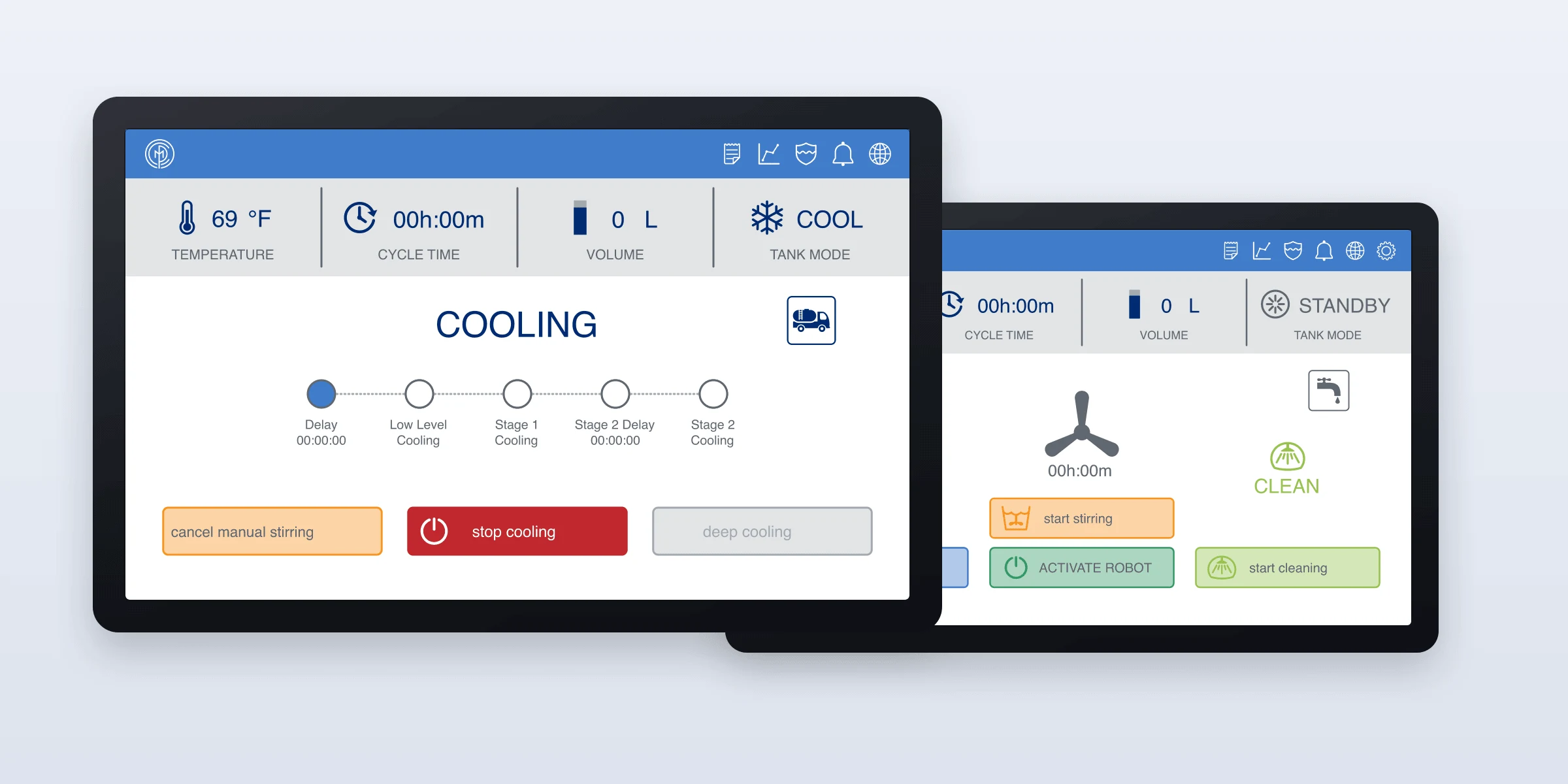
Pivot had an existing control system for a connected industrial cooling and sanitation product, built by their internal team. It worked, but turning it into something that could ship as a product across two continents meant solving a set of problems that do not appear on a workbench.
The platform had to become:
Active Logic came in partway through the platform's life and progressively became the software team for it, working alongside Pivot's own engineers rather than in place of them. Pivot kept the hardware, the manufacturing, and the product. We took the software and stayed with it.
This ran as a Team as a Service engagement in the embedded model. Our engineers worked inside Pivot's process while their mechanical, electrical, and optical teams carried the hardware. Institutional knowledge accumulated on our side instead of evaporating at the end of a statement of work.
The control software runs on an ARM-based embedded Linux panel, packaged and delivered the way production hardware expects rather than the way a developer laptop does. A dedicated over-the-air firmware update path means improvements reach installed equipment without a site visit, with a local fallback for units that are offline.
North American and European units ship from shared code with region-specific behavior, localization, and units of measure, each on its own release line. A hardware simulation layer let engineers develop and test against realistic device behavior without occupying physical units, which kept a distributed team productive against scarce hardware.
Integration with the machine itself runs over Modbus, the standard industrial fieldbus, connecting the interface to the sensors, pumps, and valves it reports on and controls.
The platform is in production. Across four years the engagement carried it through five major versions and two market release lines, with Active Logic contributing more than 1,900 of the platform's 2,200-plus commits through a team that grew to eight senior U.S.-based engineers.
The part that matters most is the least visible. A connected product that ships to two continents and stays in service for years does not need a vendor who finishes and leaves. It needs a team that still understands the system three years in, when the hard bug surfaces in the field. That is the engagement Pivot got.
Embedded software, field updates, and hardware integration need engineers who stay with the system. Tell us what you're building.
