200+
Projects Delivered
Trusted By



Penmac is the largest employee-owned staffing agency in the country, and they were staffing schools on Frontline, an off-the-shelf ATS that did not fit how they actually work. We replaced it with a custom platform: a C# and Microsoft .NET backend over SQL, paired with native iOS and Android apps and a real-time push layer so substitutes get notified the moment a position opens.
Over a partnership of more than two and a half years, that platform has filled thousands of substitute teaching positions. Penmac owns the software outright, with no recurring SaaS fees and no feature requests sitting in a vendor's backlog. That is the kind of work C# and .NET are built for: enterprise line-of-business systems, real relational data, and a Microsoft-stack backbone meant to run for years.
C# combines compile-time safety with runtime performance. We use it where correctness, throughput, and long-term maintainability are requirements, not aspirations.
The core software an operation runs on: staffing platforms, back-office systems, and workflow engines on C# and .NET with SQL relational data, the way we built Penmac's substitute-staffing platform.
API services and microservices built with async/await, minimal allocations, and Span-based memory management for throughput-critical workloads that demand fast, predictable response times.
Event-driven architectures using C# channels, System.Threading, and SignalR for applications that process streaming data, coordinate concurrent workflows, or push live updates to connected clients.
Strongly typed integration layers that connect ERPs, CRMs, payment systems, and legacy databases, using C# interfaces and dependency injection to keep coupling low and testability high.
Cloud-native services on Azure and containerized .NET, built to scale horizontally with observability, health checks, and infrastructure-as-code from the first sprint.
Migrations off old .NET Framework versions to current .NET, with Entity Framework Core upgrades, dependency modernization, and performance tuning that bring aging codebases current without a rewrite.
We are not a C#-only shop, and we think that makes our C# advice worth more. We ship production systems in Laravel, Node, React Native, and Flutter too, so when we recommend C# and .NET, it is because the project actually calls for it, not because it is the only tool we own.
C# earns its place on enterprise line-of-business software, Microsoft-centric organizations, systems built on SQL Server, Azure-hosted workloads, and applications that will be maintained for years by engineers who did not write the original code. Its static type system catches defects at compile time, its async model handles thousands of concurrent operations efficiently, and LINQ, records, and pattern matching keep business logic readable while the compiler enforces correctness.
When your product is a lightweight web app or a mobile-first build with no Microsoft footprint, we will often steer you to a stack that fits better. Software should fit your business and your team, not the other way around, and picking the wrong runtime to match a sales pitch is exactly the kind of decision that costs you for years.
Every C# engagement begins with your domain model and performance requirements, not a package list. We map your business entities, define bounded contexts, and establish the type contracts that govern how data flows through your system. That upfront investment in domain modeling pays for itself in fewer integration defects and cleaner long-term architecture.
Our teams deliver in two-week iterations with working, tested functionality at every cycle. C# projects benefit from this cadence because the compiler and automated test suites give fast feedback: refactoring is safe, regressions surface immediately, and stakeholders see measurable progress instead of status reports.
Performance tuning is methodical, not speculative. We profile with BenchmarkDotNet and dotnet-trace, find allocation hotspots, and apply targeted optimizations (Span-based parsing, struct value types, pooled buffers) only where the data justifies the complexity. Every optimization is benchmarked before and after.
We ship C# applications with full CI/CD pipelines, NuGet dependency management, automated test coverage, and architecture decision records. Whether your team takes over maintenance or we continue through Team-as-a-Service, the codebase is structured for the engineers who come after us.
Your Engagement Journey
Map requirements, define success criteria, identify risks
Design system architecture, plan delivery milestones
Iterative 2-week sprints with demos and feedback loops
Production deployment, knowledge transfer, ongoing support
Tell us about your performance requirements, platform targets, and existing codebase. We'll align the right team and outline a clear path forward.
A member of our team will reply, usually within 15 minutes during business hours.
Phone
(888) 683-1337Sales & RFPs
sales@activelogic.comWhat Happens Next
C# development intersects with several of our core service areas. These are the capabilities most commonly paired with C# and .NET engagements.
As a U.S.-based custom software development company, we partner with leadership teams that need reliable execution, clear communication, and measurable delivery momentum across regions through our locations hub.
Mission-critical software delivery depends on governance, technical quality, and execution discipline. We run engagements with senior U.S.-based leadership and delivery controls built for operational continuity.
A Director of Engineering owns technical direction, risk management, and stakeholder alignment from planning through release.
Architecture reviews, QA discipline, and DevOps practices are integrated into the delivery rhythm to protect stability as scope evolves.
Structured handoffs, documentation, and release-readiness checkpoints keep momentum high while reducing disruption to internal teams.
Delivery Governance Loop
Real engagements our senior teams designed and shipped, led by the C#/.NET platform behind Penmac.
No, and that is the honest starting point. We build production systems across .NET, Laravel, Node, React Native, Flutter, and more, and we choose the stack for the job rather than pushing every project into C#. Where C# is genuinely the right call, our senior engineers write modern, idiomatic C# on current .NET. Where it is not, we tell you. That objectivity is worth more than a vendor who sells you whatever they happen to specialize in.
C# and .NET earn their place on enterprise line-of-business software, Microsoft-centric shops, systems built on SQL Server, Azure-hosted workloads, and applications that need strong compile-time type safety over a long maintenance life. If your team already runs on the Microsoft stack or your workload is throughput and correctness sensitive, C# is often the pragmatic choice. If you are shipping a lightweight web product or a cross-platform mobile app, a different stack may serve you better, and we will say so.
Yes. With .NET MAUI and .NET runtime support for Windows, macOS, Linux, iOS, and Android, C# can share core business logic across platforms while respecting platform-specific UX where it matters. That said, for a mobile-first product we will also weigh React Native or Flutter with you, because the right answer depends on your team and your roadmap, not on what is easiest for us.
C# on the modern .NET runtime delivers performance competitive with C++ and Rust for many workloads. The JIT compiler, Span-based memory management, value types, and hardware intrinsics enable low-allocation, high-throughput code paths. For latency-sensitive systems like real-time processing or high-frequency API endpoints, C# gives our engineers the tools to optimize without sacrificing readability or maintainability.
Strong static typing catches entire categories of bugs at compile time rather than in production. Nullable reference types, pattern matching exhaustiveness, and the type system itself act as guardrails against null reference exceptions, invalid state, and data integrity issues. For enterprise projects with multiple teams and long maintenance lifespans, that compile-time safety reduces defect rates and makes refactoring far safer.
Yes. We build every C# application with long-term maintainability as a design constraint: clean architecture, automated test coverage, CI/CD pipelines, and thorough documentation. Post-launch, many clients keep us engaged through our Team-as-a-Service model for feature development, performance tuning, dependency updates, and .NET version migrations. We also support full knowledge transfer to your internal team when that is the better fit.
Hire us for a single project, to add capacity to your team, or to be your entire development team. However you engage, you get the same director-led accountability, 100% U.S.-based senior engineers, and mission-critical delivery standards.
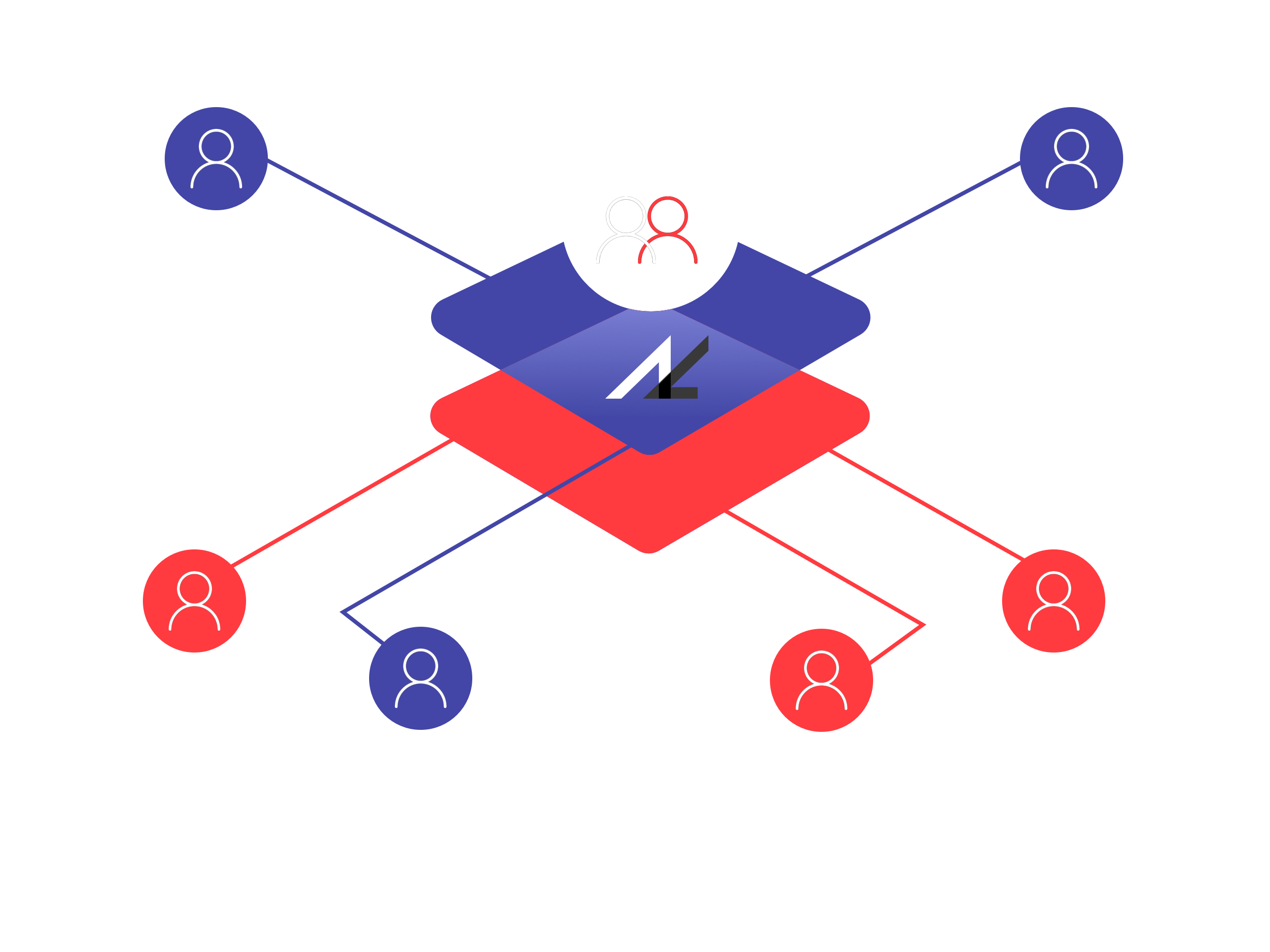
With You
Active Logic engineers integrate into your planning cadence and stakeholder workflows as an extension of your internal team, adding leadership and delivery capacity without disrupting the way your organization already works.
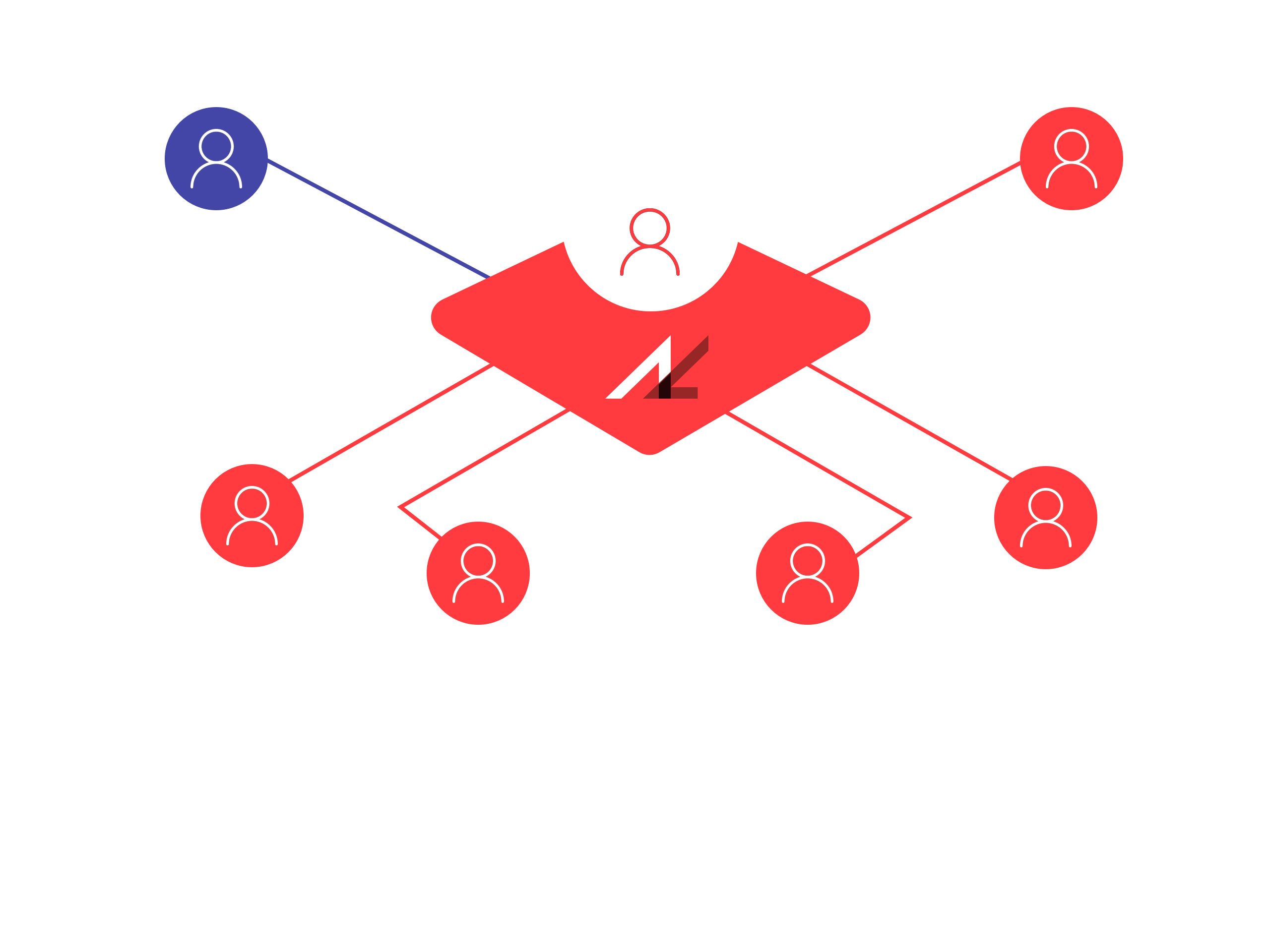
For You
Active Logic leads planning, implementation, QA, and release execution end-to-end while maintaining transparent checkpoints with your leadership team, so outcomes stay predictable and management overhead stays low.
Share your performance goals, platform requirements, and timeline. We'll match the right senior engineers and define a practical next step.