200+
Projects Delivered
Trusted By




"Portal" gets stretched to cover anything with a login, which is how the word lost its meaning. Here is the line we draw. A real portal is defined by four things working together: authentication and roles, a self-service surface built for a specific audience, dashboards that turn data into decisions, and integrations that feed all of it from one source of truth. Strip any of those out and what you have is a web app, not a portal.
That distinction changes how the thing gets built. The entire point of a portal is giving a defined group, your clients, your partners, your staff, controlled access to do work themselves. So we start with who those people are and what each of them is allowed to see, and the architecture follows from there. Software should fit the way your people already work, not force them to route everything back through yours.
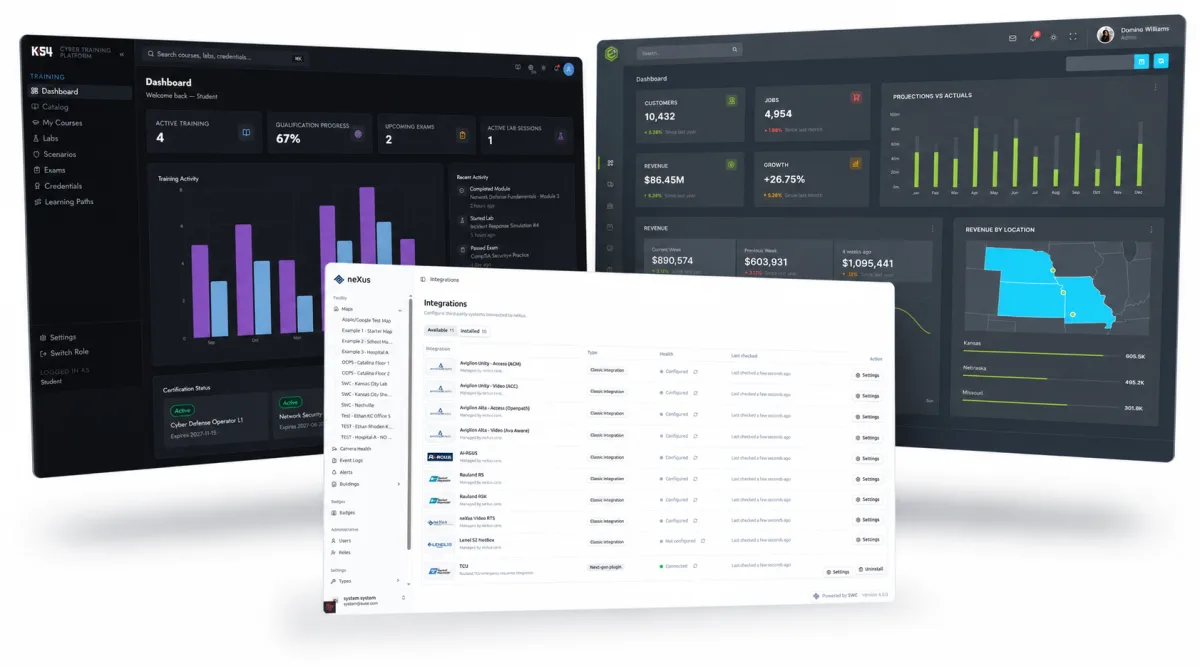
Every portal engagement starts with your users, their access requirements, and your integration needs. We build the platform that gives the right people access to the right information.
Secure platforms where clients access accounts, documents, invoices, and project status without contacting support, reducing call volume and improving satisfaction.
Internal platforms that centralize company resources, HR tools, knowledge bases, and team communication in a single authenticated environment.
Collaboration platforms that give external partners controlled access to shared documents, order status, compliance materials, and communication channels.
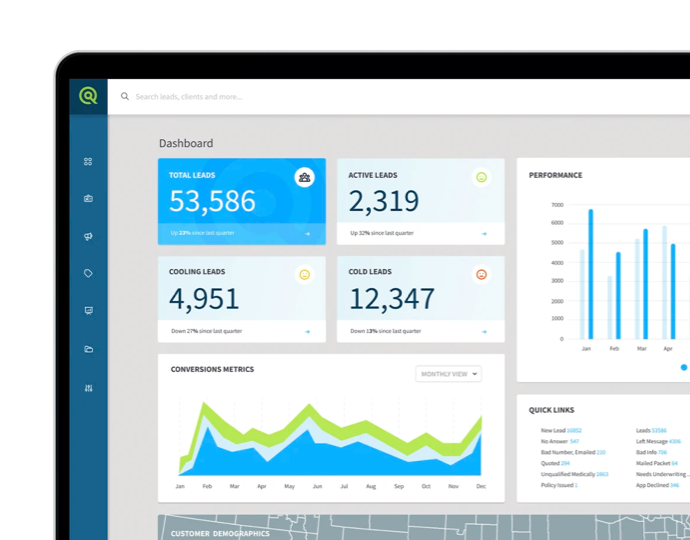
Role-based dashboards that turn data from across your systems into decisions, the way EnterpriseKC employers filter a regional talent exchange or Penmac leadership reads live staffing metrics.
Granular permission systems that ensure every portal user sees only what they should, across roles, departments, organizations, and data classification levels.
Headless portal architectures that connect to existing backends, databases, and third-party services through well-documented APIs for maximum flexibility.
That is the math on portals most vendors skip past. When a client can pull their own invoice, a partner can check order status, or an employee can find the HR document themselves, the request never becomes a ticket. Multiply that across your whole user base and the portal pays for itself in reclaimed hours, not just satisfaction scores.
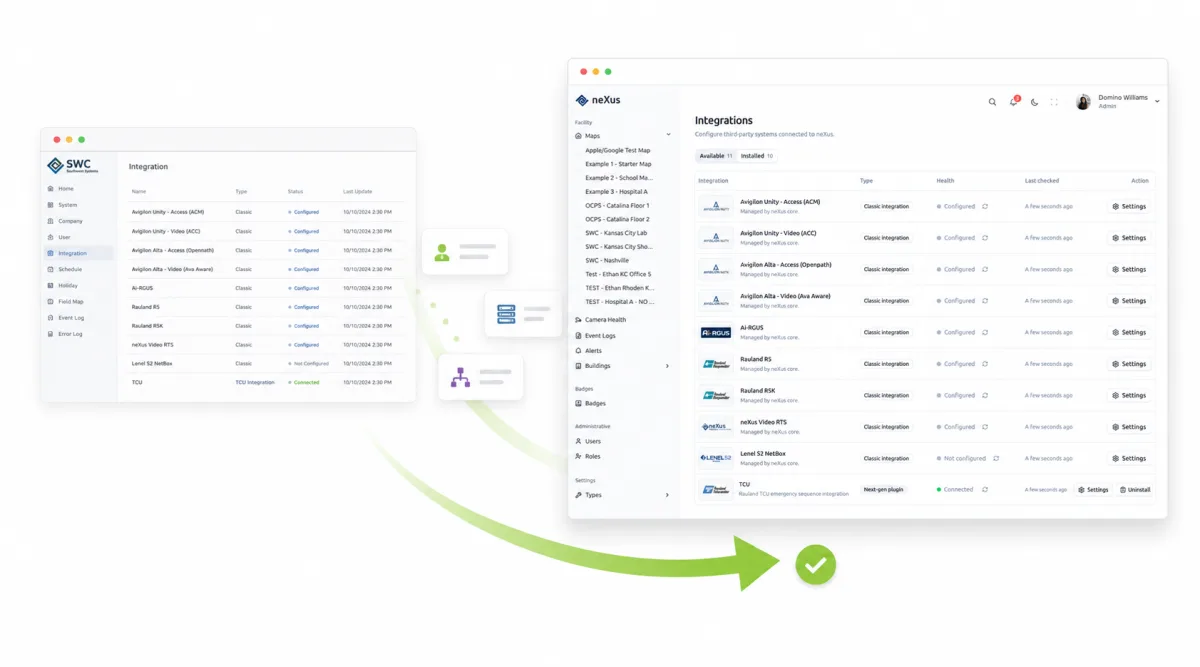
It only works if the portal shows real, current data. A self-service surface fed by stale, manually updated information generates more calls, not fewer. That is why we design the integration layer first: the portal reads live from your CRM, ERP, billing, and support systems, so what a user sees is what is actually true. Get that wrong and people stop trusting the portal, then they go back to calling.
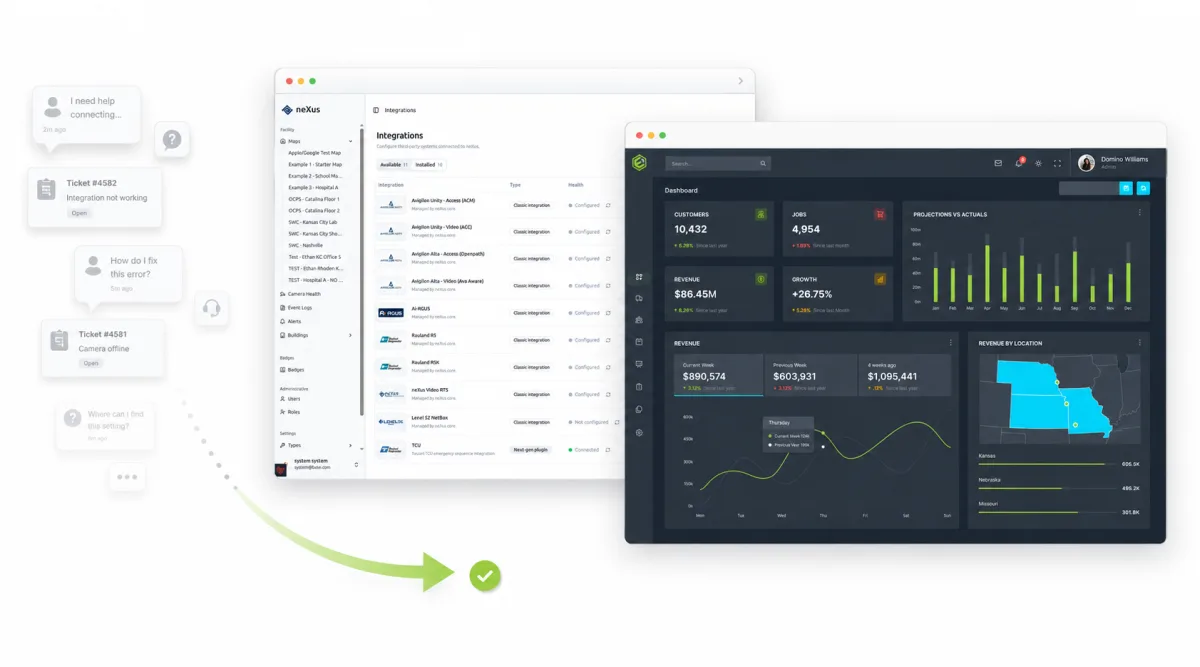
Active Logic works with established companies that need secure, role-based platforms for clients, employees, or external partners. Our clients are organizations where portal quality directly affects customer satisfaction, operational efficiency, and compliance posture.
We partner best with teams that have outgrown off-the-shelf portal solutions and need engineering execution to build platforms with proper access control, integration depth, and long-term maintainability.
Every portal is built by a domestic software development team operating under direct, director-led governance.
Portal development sits alongside our web application development, CRM development, and ERP development practices. See our custom software development overview for full context.
Portals increasingly serve both human and agent consumers. When you need agent access to portal data on behalf of clients, partners, or staff, that lives in our MCP server development practice.
Portal success depends on understanding who uses it and what they need to accomplish. We start every portal engagement by mapping user types, access requirements, and the specific tasks each audience needs to complete. A client checking invoice status has fundamentally different needs than an employee accessing HR tools, and the portal architecture should reflect that from day one.
We build portals iteratively, launching with a pilot user group inside the first 8 to 10 weeks. Early adoption data tells us whether navigation is intuitive, whether users can complete tasks without support, and where the experience needs refinement. That feedback loop is critical, because adoption is what determines whether a portal ever returns on its cost.
Integration architecture is designed upfront, because portals only work when they show real-time, accurate data. We connect portals to your CRM, ERP, billing, document management, and support systems through well-documented APIs with error handling and monitoring, so users see current information without your team maintaining a separate platform by hand.
Security and access control are foundational, not features added at the end. We implement role-based permissions, audit logging, encrypted data handling, and SSO integration as part of the core architecture. For portals handling sensitive client or employee data, compliance-ready design is built in from the first sprint.
Your Engagement Journey
Map requirements, define success criteria, identify risks
Design system architecture, plan delivery milestones
Iterative 2-week sprints with demos and feedback loops
Production deployment, knowledge transfer, ongoing support
Tell us about your portal requirements, user types, and integration needs. We'll align the right team and outline a clear next step.
A member of our team will reply, usually within 15 minutes during business hours.
Phone
(888) 683-1337Sales & RFPs
sales@activelogic.comWhat Happens Next
Rarely does a portal project begin with a blank page. Usually it begins with a portal that is slow, insecure, or held together by a vendor who stopped listening. When that lands on our desk, we do not reflexively rewrite it. Rewrites are usually laziness, not bad code. We run a structured audit, keep the business logic that already works, and modernize around it.
That is how we turned CLR Auto Transport's aging system into a live web platform with GPS tracking and reporting, and how we took HappyBottoms' half-finished, inherited codebase to full completion. Your history, your data, and the hard-won logic your operation already depends on come with you. Starting over throws all of that away and usually costs more than the honest work of understanding what you have.
Real engagements. Real delivery outcomes. See how our teams have executed for enterprise and growth-stage clients.
Every portal is a web application, but not every web app is a portal. A portal is defined by four things working together: authentication and role-based permissions, a self-service surface built for a specific audience, dashboards that turn data into decisions, and integrations that feed all of it from a single source of truth. If a login-gated audience is not doing real work themselves, it is a web app, not a portal, and it gets built differently.
We build client self-service portals, employee intranets, vendor and partner collaboration platforms, knowledge bases, and documentation portals. Each is designed with role-based access control, integration with your existing systems, and a user experience tailored to the specific audience and use case.
Adoption determines whether a portal ever pays back, so we treat it as an engineering problem, not a launch-day hope. We ship to a pilot user group in the first 8 to 10 weeks and watch whether people complete tasks without calling support. That data tells us where navigation is confusing or where a workflow needs to change before we roll the portal out to everyone.
A focused portal, like a client self-service platform or employee intranet, typically takes 3 to 5 months from discovery through production. Multi-audience portals with complex role hierarchies, document management, and multiple system integrations run 6 to 10 months with phased rollouts by user group.
We implement role-based access control (RBAC) with granular permissions so every user sees only what they should. Portals integrate with your existing identity providers, Active Directory, Okta, Auth0, or custom SSO, so user management fits into your existing IT workflows without creating another credential silo.
Yes, and it is usually the whole point. Portal value depends on showing users real-time data from your operational systems. We build integrations with CRMs, ERPs, billing platforms, support tools, and document management systems so portal users see accurate, up-to-date information without your team manually updating a separate system.
Yes. Many engagements start with modernizing an outdated portal rather than building from scratch. We assess your current platform, keep the business logic that already works, and execute a phased modernization that improves the experience without disrupting existing users or losing historical data.
Hire us for a single project, to add capacity to your team, or to be your entire development team. However you engage, you get the same director-led accountability, 100% U.S.-based senior engineers, and mission-critical delivery standards.
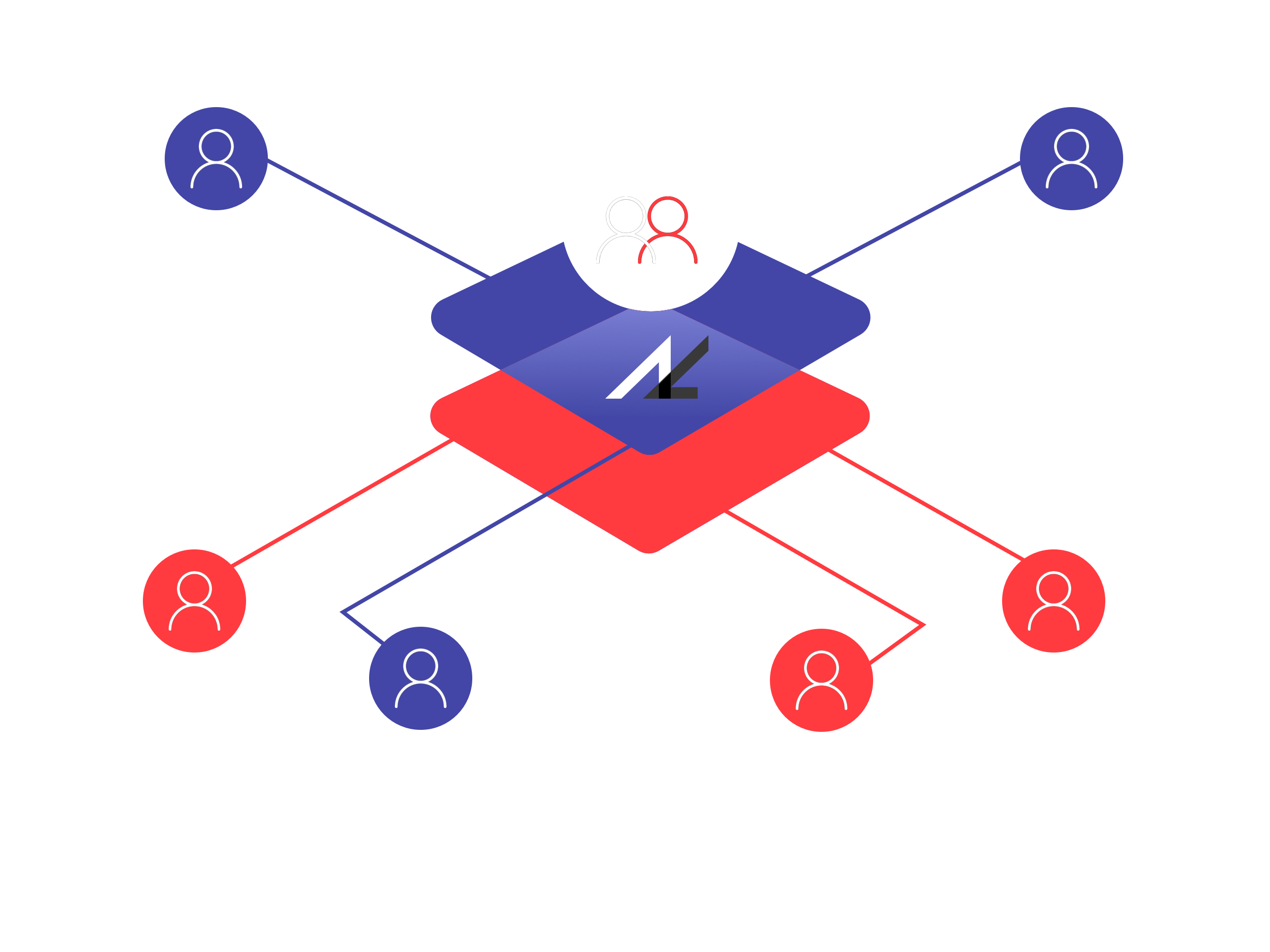
With You
Active Logic engineers integrate into your planning cadence and stakeholder workflows as an extension of your internal team, adding leadership and delivery capacity without disrupting the way your organization already works.
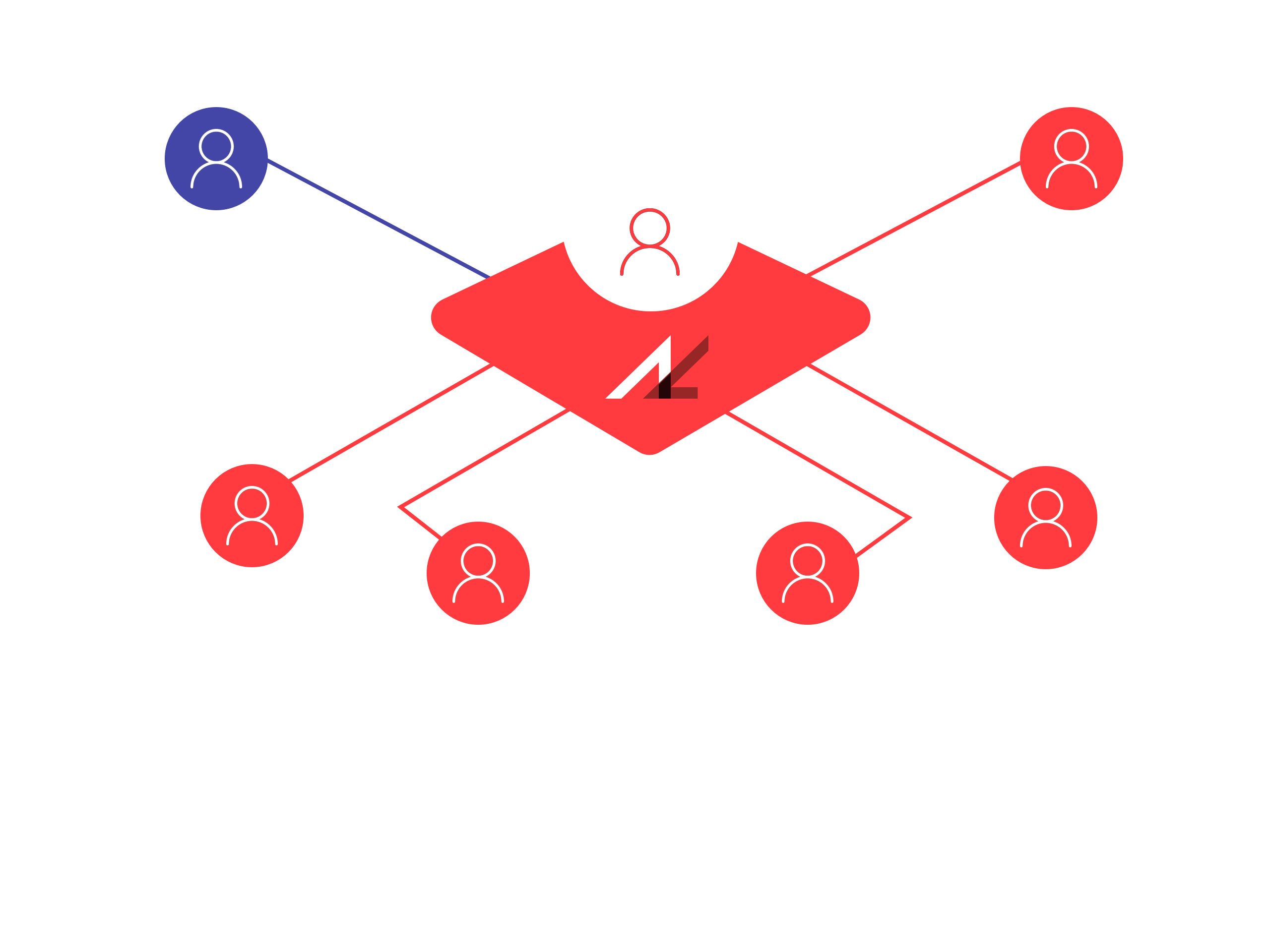
For You
Active Logic leads planning, implementation, QA, and release execution end-to-end while maintaining transparent checkpoints with your leadership team, so outcomes stay predictable and management overhead stays low.
Share your goals, constraints, and timeline. We'll align the right team and map the next practical step.
