200+
Projects Delivered
Trusted By




From MCP servers layered on top of existing APIs to net-new platforms built API-first, we ship the pieces that turn UI-bound software into agent-consumable systems.
Production-grade MCP servers that expose your platform as a typed catalog of tools, resources, and prompts any agent can discover and invoke. Built on top of existing APIs or net-new alongside a platform build.
New systems designed API-first so the MCP surface is native, not bolted on. Clean schemas, scoped auth, idempotent operations, and workflow-oriented endpoints that both humans and agents can consume.
We audit and fix the gaps that kill agent reliability: missing PATCH support, inconsistent naming, unscoped API keys, non-idempotent writes, and error messages agents cannot recover from.
Decoupled platforms where the UI is one consumer among many. The same capability surfaces in your web app, mobile app, Slack, Teams, ChatGPT, Claude, or any MCP-aware client without rebuilding the underlying logic.
OpenAPI specifications, MCP manifests, and tool descriptions written as product copy for agents. Every endpoint has a schema, every tool has a description, every error is something an agent can act on.
UI-first platforms normalized into agent-consumable systems. We converge data models, consolidate auth, and ship an MCP surface without tearing out the core product, so existing customers are unaffected.
Most vendors will tell you they do "AI." Our AI development practice puts AI into your software. This practice does the opposite: we make your software consumable by the agents your team already uses, so AI can actually act on your platform instead of just sitting next to it.
Active Logic has built custom software API-first since our founding in 2014. The reasoning was always the same: the core platform should be reachable from many consumers, not locked to a single UI. Mobile apps, partner integrations, CRM and ERP sync, internal tooling. Every one of those was a reason to design API-first before the category had a name.
The Agentic Experience is the newest consumer, and the highest-stakes one. Your customers, your staff, and your leadership are already using Claude CLI, Codex, ChatGPT, Copilot, and Cursor. What they need from your software is simple: can an agent they trust reach in, read the right data, take the right action, and come back with a useful answer. If the answer is no, the agent stalls and your product feels broken. If the answer is yes, your software becomes a first-class citizen in the workflows your users are actually running.
Salesforce made this official at TDX 2026 with Headless 360: every capability on the platform available as an API, MCP tool, or CLI command, and an Agentic Experience layer that lets the same action render inside Slack, Teams, ChatGPT, Claude, Gemini, or any client that speaks MCP. We wrote about what that means for the rest of the market in Your Software Needs an MCP Server, Not Just an API. Short version: API-first is table stakes now. Agent-first is the bar.
That is what we build. Agentic custom software: platforms where the MCP server is a first-class surface, the auth model was designed for autonomous consumers, the errors are legible to LLMs, and the data model survives contact with agent workloads. We do not sell you an agent. We make sure the agents your team is already paying for can actually do their job against your platform.
Most of the platforms we harden into agent-ready systems are mid-market and enterprise products that grew up UI-first. Their APIs cover a fraction of what the UI does, auth is built around a handful of service accounts, and the schemas were shaped by whichever team needed each endpoint first. That is normal, and it is fixable. The Salesforce Headless 360 announcement is the forcing function: once a company at that scale sets the bar, every vendor downstream has to react.
We partner best with teams that need senior-level platform engineers who can normalize data models, consolidate auth, and ship a production MCP server without stalling the rest of the roadmap. Our onshore engineering model keeps sensitive data and platform credentials under U.S. team control.
If you are still weighing whether any of this matters, start with If Your Software Doesn't Have an API, You're Going to Struggle and Your Software Needs an MCP Server, Not Just an API.
Every engagement starts with an API and auth audit. Before we ship a single MCP tool, we map what the platform can actually do today, where the gaps sit between the UI and the API, and which parts of the auth model will survive agent adoption. Agents retry, chain, and act on behalf of users in ways a human integrator never would. The audit surfaces the decisions that have to be made first.
Tool descriptions and error messages are treated as product surface. An agent reads a tool description and decides whether to call it. If the description is vague, the agent picks the wrong tool or asks the user a clarifying question that should not have been necessary. We write these the way a product team writes onboarding copy, because that is the function they serve.
Idempotency and scoped auth are non-negotiable. Every write operation is retry-safe, every credential has a narrow purpose, and every agent-facing call is logged. This is the part that separates a demo-grade MCP server from one that can run against production data without incident.
We keep the UI honest alongside the agent surface. Humans are not going away. The goal is a platform where humans work through the UI, systems work through the API, and agents bridge the two, without any of the three consumers having a second-class experience.
Your Engagement Journey
Map requirements, define success criteria, identify risks
Design system architecture, plan delivery milestones
Iterative 2-week sprints with demos and feedback loops
Production deployment, knowledge transfer, ongoing support
Tell us about your current platform, your API maturity, and the agents your team already uses. We'll align the right team and outline a clear next step.
A member of our team will reply, usually within 15 minutes during business hours.
Phone
(888) 683-1337Sales & RFPs
sales@activelogic.comWhat Happens Next
As a U.S.-based custom software development company, we partner with leadership teams that need reliable execution, clear communication, and measurable delivery momentum across regions through our locations hub.
Mission-critical software delivery depends on governance, technical quality, and execution discipline. We run engagements with senior U.S.-based leadership and delivery controls built for operational continuity.
A Director of Engineering owns technical direction, risk management, and stakeholder alignment from planning through release.
Architecture reviews, QA discipline, and DevOps practices are integrated into the delivery rhythm to protect stability as scope evolves.
Structured handoffs, documentation, and release-readiness checkpoints keep momentum high while reducing disruption to internal teams.
Delivery Governance Loop
Real engagements on platforms that had to integrate cleanly with other systems. See how our teams have executed for enterprise and growth-stage clients.



MCP (Model Context Protocol) server development is the practice of wrapping your existing software platform in a standardized interface that AI agents can consume. An MCP server exposes your capabilities as a typed catalog of tools, resources, and prompts that agents like Claude Code, Codex, ChatGPT, and Copilot can discover and invoke without custom integration code. We build MCP servers on top of existing APIs, and we build new platforms API-first so the MCP surface is native, not retrofitted.
Agentic custom software is software built to be consumed by AI agents, not software with AI features inside it. Our AI Development practice puts AI into your software (LLMs, computer vision, ML models embedded in workflows). This practice does the opposite: we make your software consumable by the agents your team already uses. Most enterprises need both, but they are distinct engineering problems with different architectural requirements.
No. We build the software that agents consume. Your team is already using Claude CLI, Codex, ChatGPT, Copilot, Gemini, and whatever tool comes next. Our job is to make sure those agents can actually do useful work against your systems. That means MCP servers, clean API surfaces, tight auth scopes, idempotent operations, and machine-readable documentation. If you also need custom agents built on top, we can do that through our AI Development practice, but the core offering here is agent-ready software.
A REST API is a menu written in developer dialect. A human engineer picks items off it by writing integration code. An MCP server is the same menu translated for an agent, with the schemas, descriptions, and scopes an LLM needs to pick the right tool and invoke it correctly on the first try. By March 2026, Anthropic reported over 10,000 active public MCP servers and 97 million monthly SDK downloads, and every major model provider now speaks the protocol. If your software has an API but no MCP server, agents can technically reach you but they will struggle to use you reliably.
Yes. Most engagements start with an existing platform that has an API of some kind. We audit the API surface, normalize data models and auth where needed, write agent-facing tool descriptions, build retry-safe operations, and ship an MCP server that sits in front of the existing stack. We also fix the gaps we find: missing PATCH endpoints, inconsistent schemas, auth models that do not scope properly for agent use, and error messages that do not help an agent recover.
It means we design the API before the UI, not after. The core platform is reachable by any consumer: your own UI, partner integrations, mobile apps, internal tools, and now AI agents. API-first is what makes a platform extensible over time. Software locked to its UI cannot be cleanly consumed by agents, partners, or future surfaces you have not invented yet. See our article on why software without an API is going to struggle.
The Agentic Experience is what Salesforce announced at TDX 2026 with Headless 360: every platform capability exposed as an API, MCP tool, or CLI command, with a layer that lets the same action render natively in Slack, Teams, ChatGPT, Claude, Gemini, or any MCP client. Salesforce is setting the new bar for enterprise software, which means companies on or around the Salesforce ecosystem and their competitors will be expected to deliver the same kind of agent-ready surface. Custom software vendors who do not support this are going to lose integration mindshare fast.
Agent auth is narrower and more audited than human API auth. We scope credentials per agent and per action, log every invocation, support short-lived tokens, and design systems so an agent acting on behalf of a user cannot exceed that user's permissions. For enterprise clients, this usually means OAuth flows with fine-grained scopes, per-tenant credentials, and audit trails that satisfy SOC 2 and similar compliance frameworks.
For a clean API-first codebase with good schemas, a production-grade MCP server plus documentation and auth hardening is typically 4 to 8 weeks. For a legacy platform with a UI-first architecture and an incomplete API, the timeline depends on how much of the data model, auth, and endpoint coverage needs to be normalized first. We scope these as phased engagements: audit first, then a targeted API-hardening phase, then the MCP server and agent-facing documentation.
Any client that speaks MCP. That currently includes Claude Code and the Claude desktop apps, Codex, ChatGPT with custom connectors, GitHub Copilot, Cursor, Windsurf, VS Code, and the agent runtimes built into Slack, Teams, and the major enterprise platforms. Because MCP is an open protocol governed by the Linux Foundation's Agentic AI Foundation, any new agent that launches is expected to support it out of the box.
Hire us for a single project, to add capacity to your team, or to be your entire development team. However you engage, you get the same director-led accountability, 100% U.S.-based senior engineers, and mission-critical delivery standards.
With You
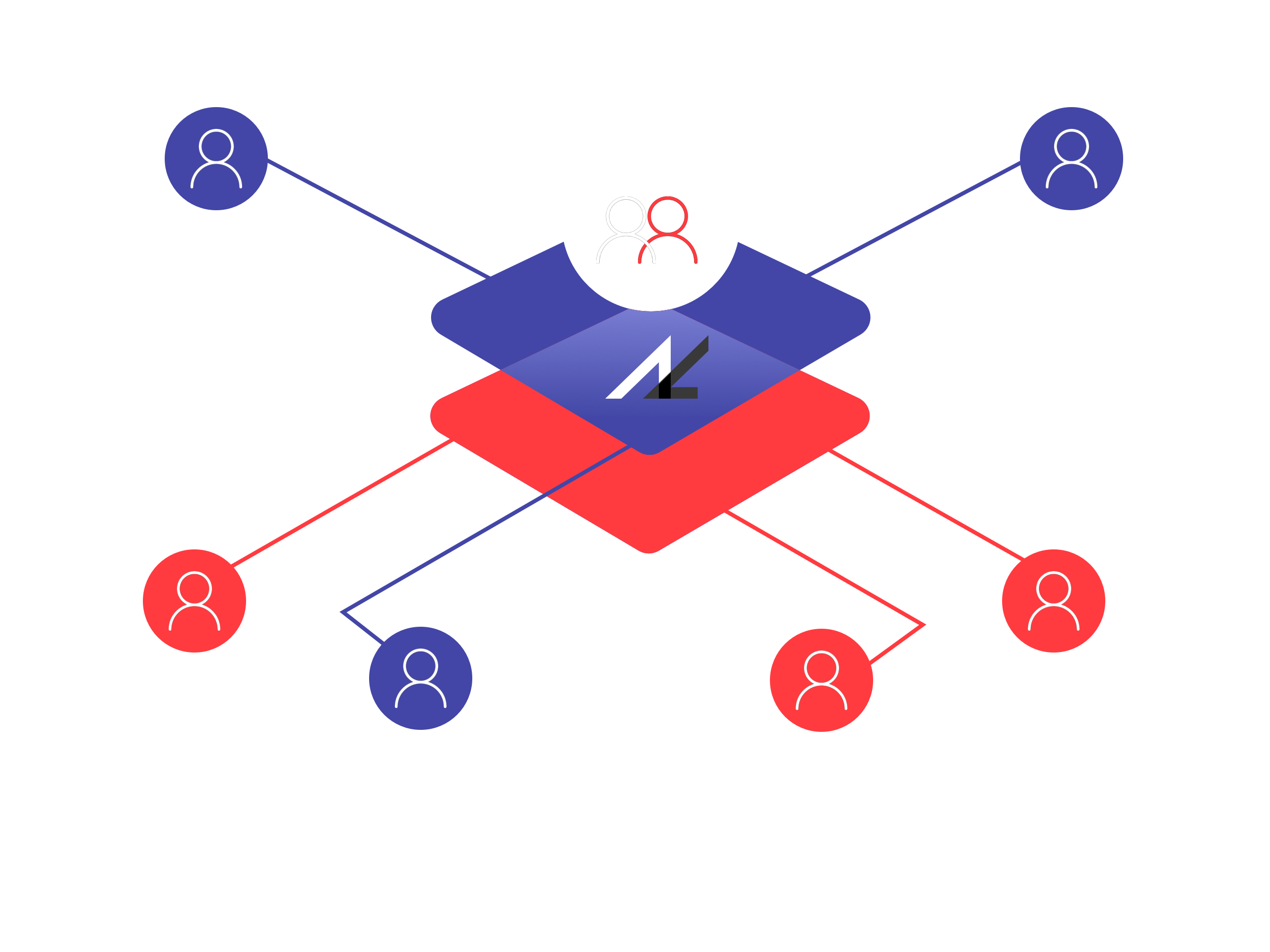
Active Logic engineers integrate into your planning cadence and stakeholder workflows as an extension of your internal team, adding leadership and delivery capacity without disrupting the way your organization already works.
For You
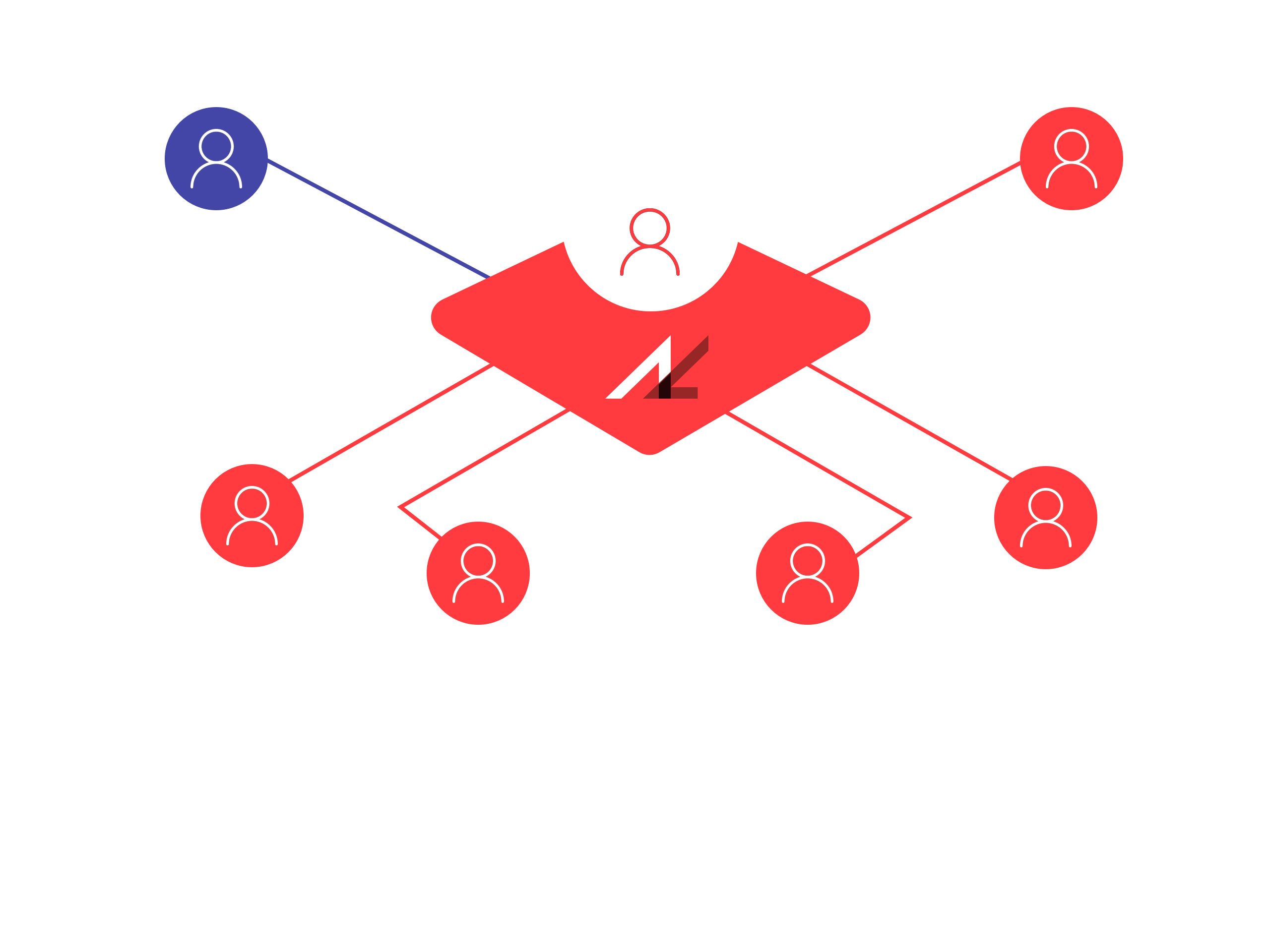
Active Logic leads planning, implementation, QA, and release execution end-to-end while maintaining transparent checkpoints with your leadership team, so outcomes stay predictable and management overhead stays low.
Share your platform, timeline, and the agent workflows you want to enable. We'll align the right team and map the next practical step.
