200+
Projects Delivered


Trusted By






React is a component library for building user interfaces, not a full application framework. The work it does well clusters into a handful of patterns, and we have shipped production systems in every one of them.
Production SPAs for customer portals, partner consoles, and operational dashboards. Built with TypeScript, React Router or TanStack Router, and a state model picked to match the data, not the developer trend cycle.
Internal component libraries with Storybook, Chromatic visual regression, type-safe props, and accessibility primitives sourced from Radix UI or Headless UI. Versioned, documented, and consumed across multiple internal product teams.
High-density tables, charts, and reporting surfaces built with TanStack Table, AG Grid, Recharts, or custom Canvas rendering. Designed to stay performant past 10,000 rows and 50 simultaneous filters.
Strangler-fig integrations that drop modern React features inside existing Rails, Laravel, or .NET applications without forcing a full rewrite. The host keeps shipping, the React surface area grows on every release.
Phased migration paths from AngularJS 1.x, Knockout, jQuery, or first-generation React class components to a modern functional React 18 codebase, executed without a feature freeze and without a multi-quarter rewrite gap.
Targeted engagements to bring an existing React app to WCAG 2.2 AA, recover Core Web Vitals, eliminate runtime layout shift, and trim bundle size below the budget your platform actually requires.
React is the right call when the interface is interactive, component-heavy, and likely to be rebuilt for the web more than once across the next five years. It has the largest hiring pool in frontend, the deepest component ecosystem, and the most predictable long-term maintenance trajectory of any current frontend choice. Teams that consolidate on React rarely regret it. Teams that adopt a niche framework for the novelty almost always do.
It is also the right call when the application has enough surface area that a shared design system pays for itself. Two product teams shipping into the same internal customer is the threshold we watch for. Below that, a component library is overhead. Above that, the absence of one becomes the most expensive thing in the codebase, and we recommend building it before the surface area gets larger.
React is the wrong call when the page is mostly static content with light interactivity. A static site generator with progressively enhanced JavaScript will load faster, cost less to host, and rank better in search. It is also the wrong call when the app is a five-screen mobile-only experience that will never have a desktop equivalent. We say so during architecture review. We do not start a React project to use React.
Every React engagement starts with an architecture review delivered as a written document. The review covers React version pinning, framework choice (plain React, Next.js, or Remix), router selection, build tooling (Vite or the framework's bundler), state-management strategy, design-system source, accessibility baseline, testing pyramid, and deployment target. The team approves the document before code starts. Decisions made later in the project reference back to it.
We write TypeScript by default with strict mode on. Types flow through props, hooks, router params, and API contracts so the compiler catches the bugs that a runtime app would have shipped to production. Where the backend is also TypeScript, we share types through a workspace package so the frontend and backend cannot drift on the wire format silently. Where the backend is in another language, we generate types from the OpenAPI or GraphQL schema and treat the schema as the source of truth.
Performance and accessibility are architectural concerns we set up in the first sprint, not polish work we do in the last one. Bundle budgets are written into CI. Lighthouse runs against every preview deploy. Axe and eslint-plugin-jsx-a11y catch the accessibility regressions automated tooling can catch, and a manual screen reader pass covers what they cannot. WCAG 2.2 AA is the baseline for any public-facing surface, and we hold ourselves to it whether or not a contract requires it.
Backend work, when in scope, gets handled by our Node.js delivery team, and we keep the contract between frontend and backend in a shared TypeScript package so neither side drifts. When the project calls for server-side rendering, edge personalization, or mixed marketing-and-product surfaces on a single domain, the engagement gets routed to our Next.js team rather than retrofitted onto a plain React build.
Your Engagement Journey
Map requirements, define success criteria, identify risks
Design system architecture, plan delivery milestones
Iterative 2-week sprints with demos and feedback loops
Production deployment, knowledge transfer, ongoing support
Tell us about the existing frontend, the team, and the user experience problem you are solving for. We will recommend the right React architecture and a sequenced delivery plan in writing.
A member of our team will reply, usually within 15 minutes during business hours.
Phone
(888) 683-1337Sales & RFPs
sales@activelogic.comWhat Happens Next
React shows up across several of our service areas. The pages below explain how the library fits into each engagement type.
As a U.S.-based custom software development company, we partner with leadership teams that need reliable execution, clear communication, and measurable delivery momentum across regions through our locations hub.
Mission-critical software delivery depends on governance, technical quality, and execution discipline. We run engagements with senior U.S.-based leadership and delivery controls built for operational continuity.
A Director of Engineering owns technical direction, risk management, and stakeholder alignment from planning through release.
Architecture reviews, QA discipline, and DevOps practices are integrated into the delivery rhythm to protect stability as scope evolves.
Structured handoffs, documentation, and release-readiness checkpoints keep momentum high while reducing disruption to internal teams.
Delivery Governance Loop
Real engagements. Real delivery outcomes. See how our teams have built and scaled React applications for enterprise clients.



React is the right choice when the application is interactive, component-heavy, and likely to be rebuilt for the web more than once over the next five years. The hiring market is the largest in frontend, the component ecosystem is the deepest, and the long-term maintenance trajectory is well understood. React is the wrong choice when the page is mostly static content with light interactivity. In that case a static site generator with progressively enhanced JavaScript will load faster, cost less to host, and rank better. We say so during architecture review. We do not start a React project to use React.
Use plain React when the application is logged-in only, SEO is irrelevant, and the deploy target is your own infrastructure. Internal tools, dashboards, admin consoles, and customer portals fit that profile. Use Next.js when public search visibility, server-side data fetching, edge-rendered personalization, or a content surface mixed with a logged-in product all live on the same domain. We document the choice in the architecture review and we will say no to Next.js if the team will not actually use the rendering features that justify its complexity.
Most large React apps end up with three categories of state: server state, URL state, and local UI state. Server state belongs in TanStack Query or RTK Query, where caching, invalidation, and request deduplication are solved problems. URL state belongs in the router. Local UI state belongs in component state or a small Zustand store. Redux Toolkit still has a role for cross-cutting domain state in a few specific applications, but most projects do not need it. The mistake we see most often is putting server data in Redux and then writing custom invalidation logic. We migrate codebases off that pattern more often than we adopt it.
Three layers. Component-level tests run in Vitest with React Testing Library, written from the user point of view rather than the implementation, with MSW intercepting network calls. Integration tests cover the full feature flow inside a mounted app, also under RTL. End-to-end tests run in Playwright against a deployed preview, focused on critical paths rather than coverage targets. We do not chase 100% coverage. We aim for coverage of the paths whose failure would cost the business actual money or reputation.
WCAG 2.2 AA is the baseline we hold every public-facing React build to. That means semantic HTML inside JSX rather than divs everywhere, focus management that survives client-side route transitions, keyboard navigation that works without a mouse, color contrast that meets the 4.5 to 1 ratio for body text, and visible focus indicators. We use Radix UI or Headless UI for primitives that are notoriously hard to get right, like dialogs, comboboxes, and menus. Automated checks run in CI through axe and eslint-plugin-jsx-a11y, and we run manual screen reader passes on critical surfaces before a release.
Yes, this is a common engagement type for us. The first two weeks are an audit: dependency graph, bundle analyzer report, render-performance pass, dead-code detection, accessibility regressions, and a state-management map. We document what we find, flag what is unsafe to keep shipping on, and propose a sequenced stabilization plan that does not require a feature freeze. From there our senior engineers take ownership through Team-as-a-Service or a fixed-scope stabilization engagement, depending on what fits your situation.
Hire us for a single project, to add capacity to your team, or to be your entire development team. However you engage, you get the same director-led accountability, 100% U.S.-based senior engineers, and mission-critical delivery standards.
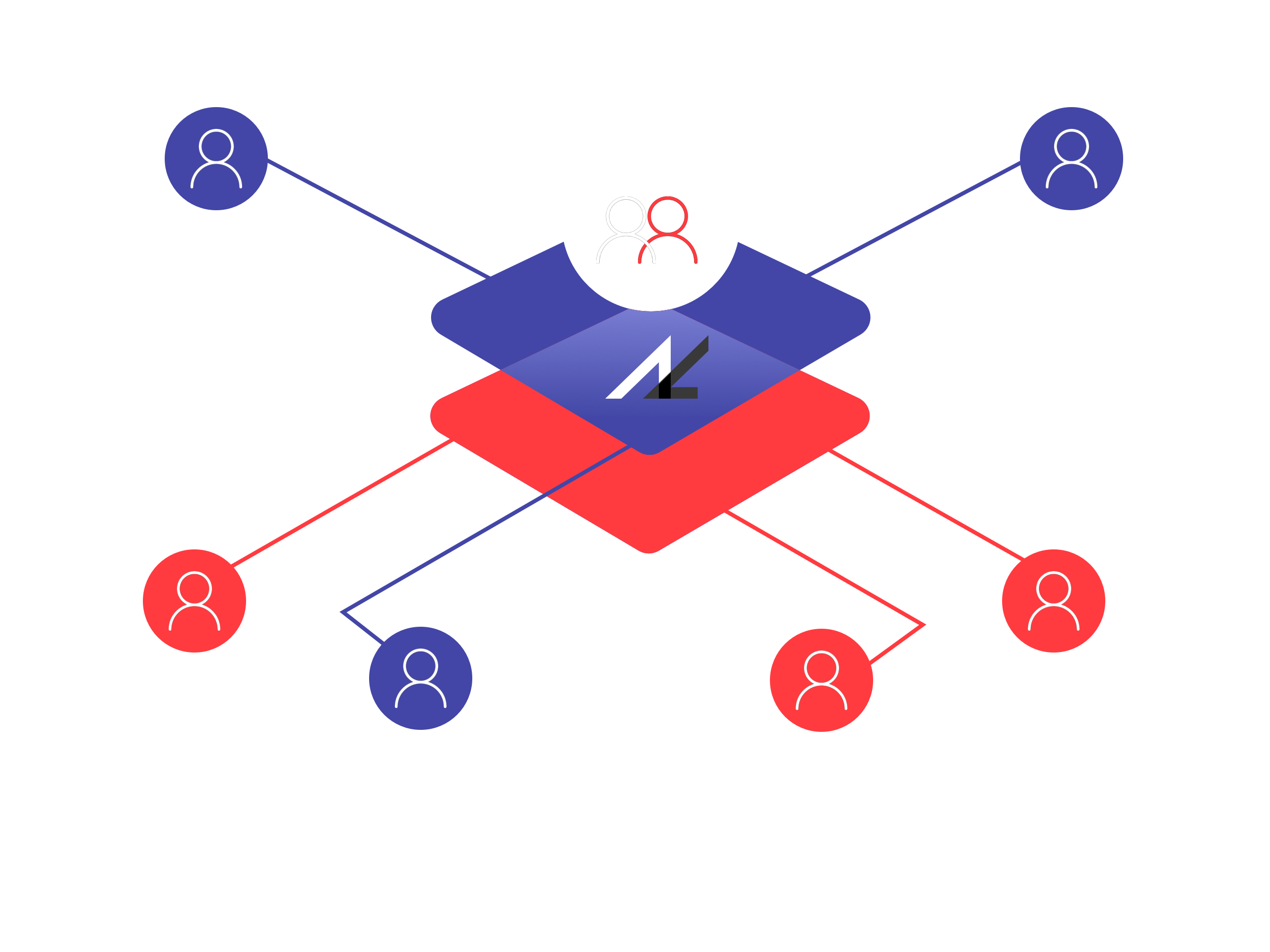
With You
Active Logic engineers integrate into your planning cadence and stakeholder workflows as an extension of your internal team, adding leadership and delivery capacity without disrupting the way your organization already works.
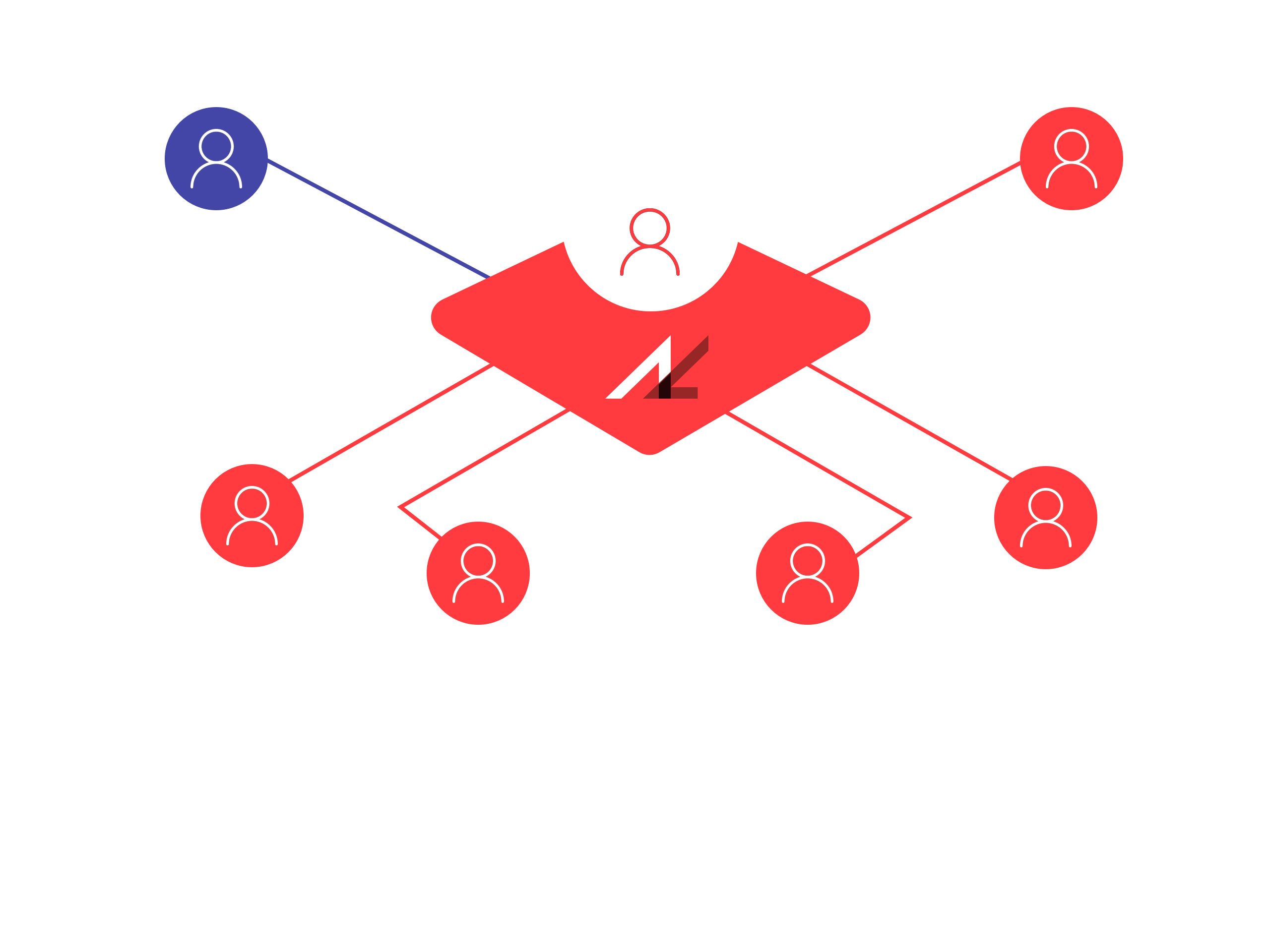
For You
Active Logic leads planning, implementation, QA, and release execution end-to-end while maintaining transparent checkpoints with your leadership team, so outcomes stay predictable and management overhead stays low.
Share your goals, technical landscape, and timeline. We will align the right senior React team and map the next practical step.