200+
Projects Delivered

Trusted By





Salesforce is a platform, not a product. The work that requires actual developers (rather than admins or consultants alone) clusters into a handful of patterns, and we have shipped production work in every one of them.
Production Apex with bulkified handlers, queueable and batch jobs for asynchronous workloads, governor-limit-aware design, and test coverage written from the user point of view rather than gamed for the percentage.
New LWC component libraries for sales console, service console, community, and embedded scenarios. Phased migration paths off Aura without breaking the existing user experience or stalling feature delivery.
Bi-directional integrations using MuleSoft, Salesforce Connect, Heroku Connect, REST and SOAP callouts, Platform Events, and outbound messaging. Idempotent, replayable, and observable from both sides of the wire.
Record-triggered flows, screen flows, and orchestration flows that replace legacy Process Builder and Workflow Rules with a single supportable automation layer. Deployed alongside Apex when the work demands code, not instead of it.
First and second-generation managed packages, partner business org setup, namespace strategy, post-install scripts, upgrade-safe schema changes, and end-to-end Salesforce security review preparation and submission.
Technical debt audits, unused-component cleanup, profile-and-permission-set rationalization, source-driven development setup with sfdx-cli, scratch org workflows, and CI pipelines that catch deployment-blockers in pull requests.
Most Salesforce work belongs in the declarative layer. Page layouts, validation rules, permission sets, reports, dashboards, and standard automation can and should be built without code, and a strong admin team will outpace a strong developer team on that work every time. The reason orgs end up needing developers is that the declarative layer eventually hits a wall: a workflow that needs more than 50 elements in a flow, an integration that requires authenticated callouts, an LWC that the platform's standard components cannot do, or an asynchronous job that needs to process more records than a synchronous trigger can handle.
Salesforce developers are also necessary when the org has been built largely by consultants over a span of years, accumulating overlapping automation, conflicting validation logic, and Apex code with thin coverage that nobody owns. That is a developer problem with a consultant problem on top of it, and admin work alone cannot fix it. We rescue more orgs in this state than we build greenfield, and the audit-then-stabilize-then-extend sequence is well-understood by our team.
Where Salesforce development is not the right answer, we will say so. If a customer-facing portal would be cheaper and faster as a Laravel or Next.js build sitting next to Salesforce as the system of record, that is the recommendation we make. We do not invent Salesforce work to keep a Salesforce team busy.
Every Salesforce engagement begins with a written architecture review covering org topology and sandbox strategy, declarative-versus-Apex decision boundaries, integration patterns and authentication, deployment process (Salesforce DX with sfdx-cli or change sets), Apex test discipline, LWC component model, and a remediation roadmap if the org is debt-heavy. The team approves the document before code starts, and decisions made later in the project reference back to it.
We work in your sandboxes, follow your existing deployment process, and document every commit so handoff back to your team is the default expectation rather than an afterthought. Where Salesforce DX has not been adopted, we set it up alongside the feature work: source-driven repos in Git, scratch org workflows, CI running ApexPMD and the test suite on every pull request, and a deployment pipeline that gates production on green tests rather than developer judgment.
Apex is bulkified by default, governor-limit-aware, and tested at 85% to 95% meaningful coverage rather than the 75% platform floor. We write Lightning Web Components against the SLDS design system, instrument them with shadow-DOM-aware test selectors, and pair them with Apex controllers that handle data access through a single boundary. Integrations use idempotent message handling, signed payloads where the source supports it, and structured retry policies with explicit dead-letter behavior.
Where the engagement extends beyond the platform itself, we route the work to the right team. CRM strategy and process design flows through our CRM development practice. External backends and integration layers flow through our Node.js or .NET teams. The contract between Salesforce and any external system gets documented in a shared schema so neither side drifts on the wire format silently.
Your Engagement Journey
Map requirements, define success criteria, identify risks
Design system architecture, plan delivery milestones
Iterative 2-week sprints with demos and feedback loops
Production deployment, knowledge transfer, ongoing support
Tell us about the org, the existing admin and developer team, and the workload that has hit the wall of declarative-only build. We will recommend the right Salesforce engagement shape and a sequenced delivery plan in writing.
A member of our team will reply, usually within 15 minutes during business hours.
Phone
(888) 683-1337Sales & RFPs
sales@activelogic.comWhat Happens Next
Salesforce development connects to several of our service areas. The pages below explain how the platform fits into each engagement type.
As a U.S.-based custom software development company, we partner with leadership teams that need reliable execution, clear communication, and measurable delivery momentum across regions through our locations hub.
Mission-critical software delivery depends on governance, technical quality, and execution discipline. We run engagements with senior U.S.-based leadership and delivery controls built for operational continuity.
A Director of Engineering owns technical direction, risk management, and stakeholder alignment from planning through release.
Architecture reviews, QA discipline, and DevOps practices are integrated into the delivery rhythm to protect stability as scope evolves.
Structured handoffs, documentation, and release-readiness checkpoints keep momentum high while reducing disruption to internal teams.
Delivery Governance Loop
Real engagements. Real delivery outcomes. See how our teams have built and scaled Salesforce platform work for enterprise clients.


A Salesforce admin owns the declarative layer: page layouts, validation rules, profiles, permission sets, reports, dashboards, and standard Flow automation. A Salesforce developer owns the code layer: Apex classes and triggers, Lightning Web Components, integrations, asynchronous processing, and managed packages. A Salesforce consultant owns the business layer: requirements, process design, change management, and the ability to translate operational pain into a sequenced platform roadmap. Most engagements need at least two of the three, and we staff accordingly. We will say so plainly if your need is fundamentally an admin problem rather than a developer problem.
Yes. We staff every engagement with developers who hold at minimum the Platform Developer I certification, with senior leads holding Platform Developer II and Application Architect or System Architect credentials where the work warrants it. Certifications are a baseline, not a substitute for production experience, so we also share specific shipped work during vendor evaluation. If your procurement process requires a written certification roster for the staffed team, we provide one as part of the SOW.
Most of our engagements are exactly that. Your admin team owns the org and the declarative configuration. We bring developer capacity for the work that admins are not staffed for: complex Apex, LWC, integrations, AppExchange product builds, and Salesforce DX adoption. We work in your sandbox topology, follow your change-set or DX deployment process, and document every commit so handoff back to your team is the default expectation, not an afterthought.
Salesforce blocks production deploys below 75% Apex test coverage, and any team that has been around long enough has watched a deploy stall on a coverage gap nobody owned. We treat the 75% bar as a floor, not a target. Our default is meaningful coverage on business logic and bulk handlers (typically 85% to 95%), with tests written from the user point of view rather than the implementation. We pair this with a CI pipeline using sfdx-cli that runs static analysis, ApexPMD or PMD for Apex, and a test suite against a scratch org on every pull request. Deployments to UAT and production go through Salesforce DX or your change-set process, never directly from a developer console.
A focused engagement (a single integration, a managed package, an Aura-to-LWC migration, or a tightly scoped Apex feature set) usually runs 8 to 16 weeks from kickoff through UAT. Multi-team platform work, large org cleanups, or AppExchange product builds run 4 to 9 months with phased releases. Org-rescue engagements, where the team takes ownership of a debt-heavy org from a prior vendor, start with a 2 to 3 week audit and remediation roadmap before any feature work begins. We document the path before we start it.
Yes. We have shipped first-generation and second-generation managed packages, including AppExchange-listed products. The work spans namespace strategy, package architecture, security review preparation, post-install scripts, upgrade paths, partner business org configuration, and the security review submission itself. The Salesforce security review is a real engineering bar (not a checkbox), and we plan for it during architecture rather than scrambling once a submission rejects.
Hire us for a single project, to add capacity to your team, or to be your entire development team. However you engage, you get the same director-led accountability, 100% U.S.-based senior engineers, and mission-critical delivery standards.
With You
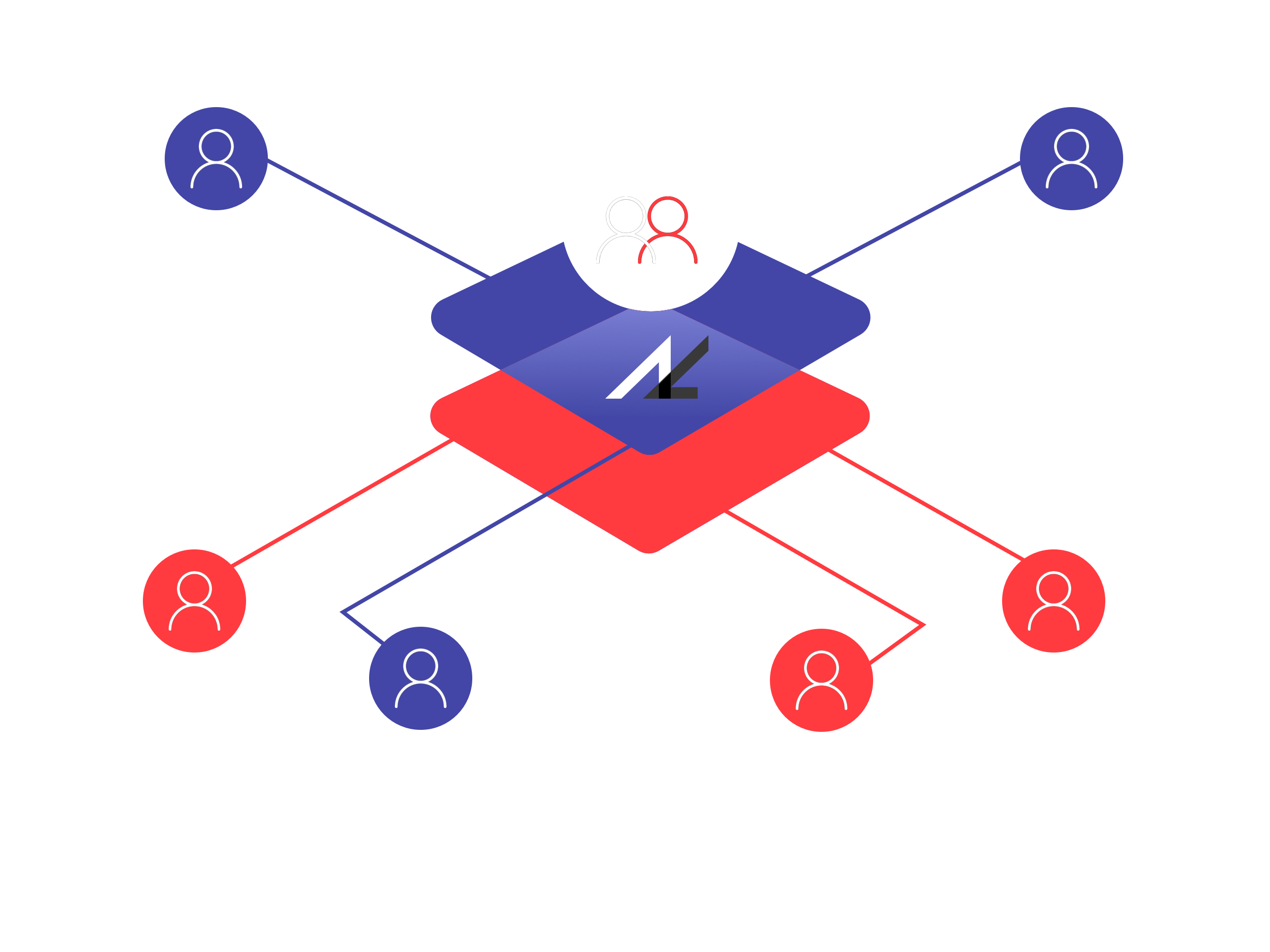
Active Logic engineers integrate into your planning cadence and stakeholder workflows as an extension of your internal team, adding leadership and delivery capacity without disrupting the way your organization already works.
For You
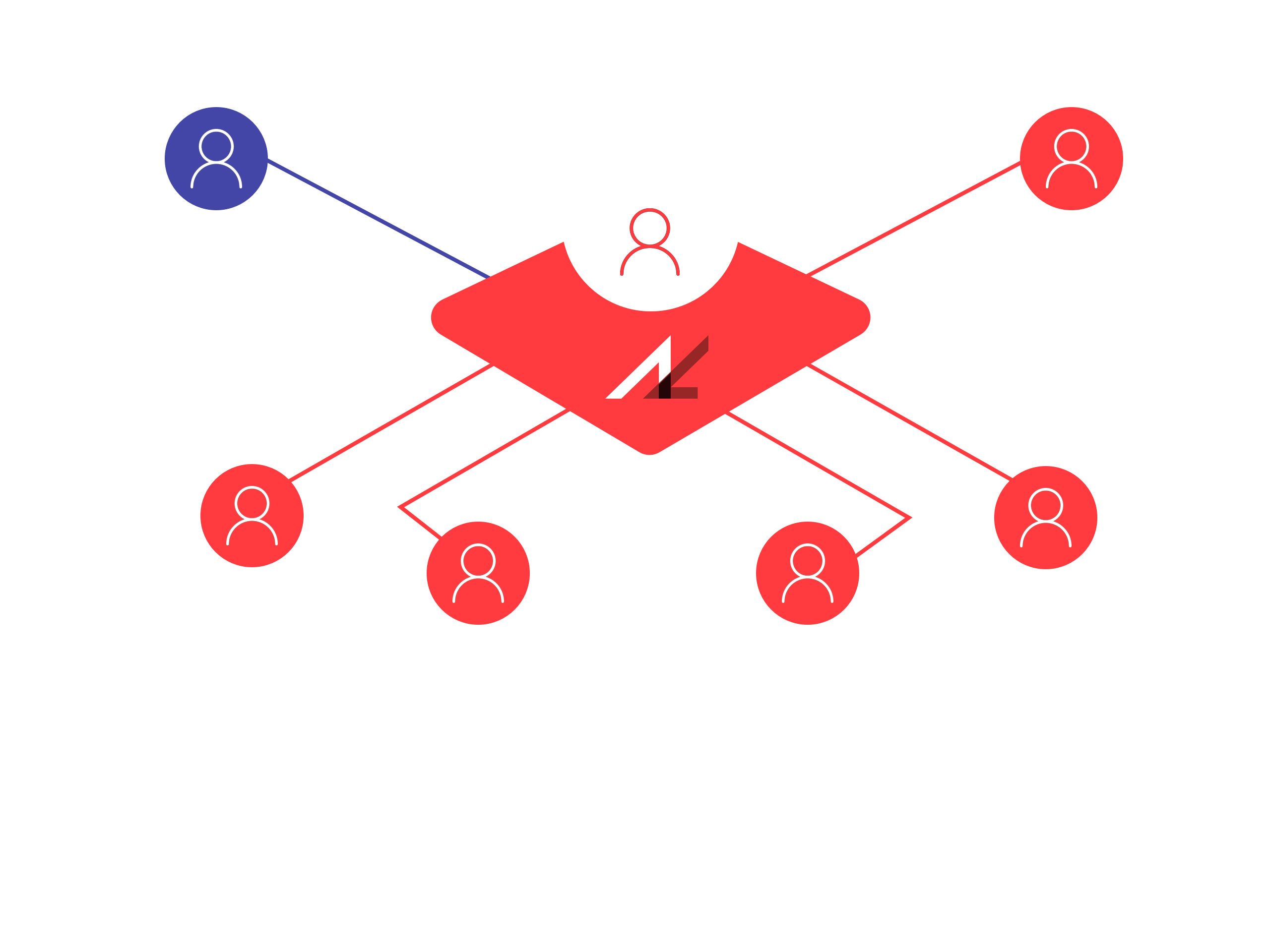
Active Logic leads planning, implementation, QA, and release execution end-to-end while maintaining transparent checkpoints with your leadership team, so outcomes stay predictable and management overhead stays low.
Share your goals, the current state of the org, and your timeline. We will align the right senior Salesforce team and map the next practical step.