200+
Projects Delivered
Trusted By




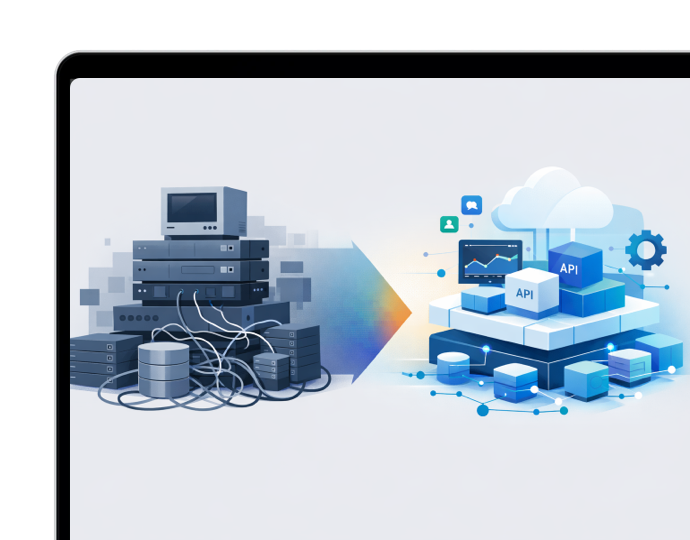
Every modernization follows a structured, phased approach designed to reduce risk and deliver measurable progress from the first sprint.
We audit your existing systems to identify technical debt, integration dependencies, security vulnerabilities, and the components that deliver the most business value — so modernization starts where the impact is highest.
Legacy components are replaced progressively using strangler fig patterns. New services run alongside old ones with traffic shifted gradually, so your operations never stop while the architecture evolves.
Automated migration scripts with validation checkpoints ensure data integrity at every stage. For zero-downtime requirements, we implement continuous synchronization between legacy and modern systems.
Brittle point-to-point integrations are replaced with well-documented, versioned APIs. Third-party connections, internal service communication, and data pipelines are rebuilt for reliability and maintainability.
On-premise systems move to modern cloud infrastructure with CI/CD pipelines, containerization, and infrastructure-as-code. Your team gets reproducible environments and deployment confidence.
Every modernization includes structured documentation, architecture decision records, and hands-on knowledge transfer. Your team inherits a system they can maintain and extend — not a black box.
Legacy modernization is not a technology exercise — it's a business decision. The companies that reach out to us are dealing with systems that worked well for years but are now creating risk: rising maintenance costs, departing institutional knowledge, integration walls with modern platforms, and compliance gaps that grow with every audit.
We work with organizations that need their systems to keep running while the transformation happens. There is no "flip the switch" cutover — every engagement is designed for continuity, phased delivery, and measurable improvement at each milestone. See our Chargbliss case study for an example of turning a complex Excel-based energy model into production software without disrupting operations.
Every modernization engagement is executed by our 100% U.S.-based engineering team, with senior engineers who have shipped migrations under production load.
Common modernization targets: aging CRM platforms, legacy ERP systems, and outdated client and employee portals.
Most legacy platforms were designed UI-first and will not satisfy AI agents without restructuring. When modernization includes making the system agent-ready (MCP servers, API-first architecture, scoped auth), that work lives in our MCP server development practice.
Every modernization begins with a thorough assessment of the existing system — not just the code, but the business processes it supports, the integrations it depends on, and the institutional knowledge embedded in its behavior. This assessment produces a prioritized modernization roadmap that balances technical improvement with business continuity.
We use the strangler fig pattern as our default migration strategy. Rather than a risky big-bang rewrite, we build new components alongside the legacy system and progressively redirect traffic as each module is validated. Your users experience gradual improvements, not disruptive transitions.
A Director of Engineering leads every modernization engagement, making architecture decisions and maintaining accountability for delivery milestones. This isn't a team of junior developers learning your legacy stack — it's senior engineers who have seen these patterns before and know where the risks live.
We build for handoff from day one. Every architectural decision is documented, every migration step is automated and repeatable, and your team participates in the process so they inherit a system they understand — not a new black box to replace the old one.
Your Engagement Journey
Map requirements, define success criteria, identify risks
Design system architecture, plan delivery milestones
Iterative 2-week sprints with demos and feedback loops
Production deployment, knowledge transfer, ongoing support
Tell us about the systems holding you back. We'll assess the situation and outline a phased modernization approach.
A member of our team will reply, usually within 15 minutes during business hours.
Phone
(888) 683-1337Sales & RFPs
sales@activelogic.comWhat Happens Next
As a U.S.-based custom software development company, we partner with leadership teams that need reliable execution, clear communication, and measurable delivery momentum across regions through our locations hub.
Mission-critical software delivery depends on governance, technical quality, and execution discipline. We run engagements with senior U.S.-based leadership and delivery controls built for operational continuity.
A Director of Engineering owns technical direction, risk management, and stakeholder alignment from planning through release.
Architecture reviews, QA discipline, and DevOps practices are integrated into the delivery rhythm to protect stability as scope evolves.
Structured handoffs, documentation, and release-readiness checkpoints keep momentum high while reducing disruption to internal teams.
Delivery Governance Loop
Real engagements where we replaced aging systems with modern, maintainable platforms — without disrupting operations.


We use a strangler fig approach — incrementally replacing legacy components while the existing system continues running in production. New functionality is built alongside the old system and traffic is migrated progressively. Your users never experience downtime from the modernization itself.
It depends on the size and complexity of the legacy system. A focused modernization of a single application typically takes 4–8 months with phased delivery. Large-scale enterprise modernization involving multiple interconnected systems can span 12–18 months, but you see working improvements within the first 6–8 weeks.
It depends on the state of the existing system. If the core business logic is sound but the architecture, infrastructure, or user experience is outdated, modernization preserves your investment while addressing the pain points. If the system is fundamentally misaligned with current business needs, a phased rebuild may be more cost-effective. We assess both options during discovery and recommend the approach with the best ROI.
We regularly modernize systems built on legacy PHP, classic ASP/.NET, COBOL, aging Java/Spring stacks, monolithic architectures, and on-premise infrastructure. Target architectures depend on your requirements: common destinations include modern .NET, Node.js, React/Angular frontends, containerized microservices, and cloud-native infrastructure on AWS, Azure, or GCP.
Data migration is planned from day one, not treated as an afterthought. We map existing data structures to the target schema, build automated migration scripts with validation checkpoints, and run parallel testing to ensure data integrity before cutover. For systems that can't tolerate downtime, we implement continuous data synchronization between old and new systems during the transition period.
We involve your team throughout the process — they know the business logic and edge cases better than anyone. During modernization, we conduct knowledge transfer sessions and pair programming. After delivery, your team inherits a well-documented, well-tested codebase with clear architecture patterns they can maintain and extend independently.
Hire us for a single project, to add capacity to your team, or to be your entire development team. However you engage, you get the same director-led accountability, 100% U.S.-based senior engineers, and mission-critical delivery standards.
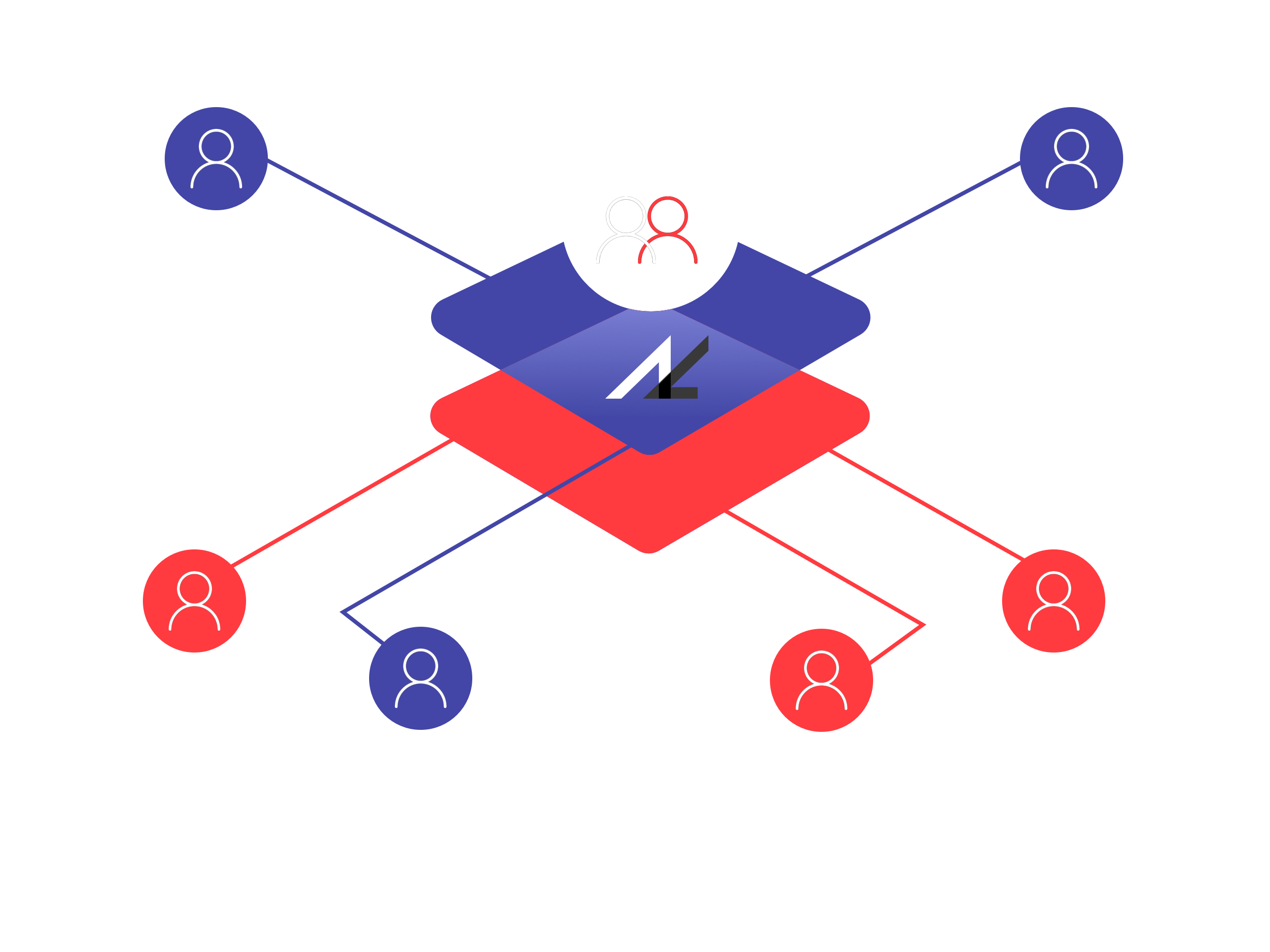
With You
Active Logic engineers integrate into your planning cadence and stakeholder workflows as an extension of your internal team, adding leadership and delivery capacity without disrupting the way your organization already works.
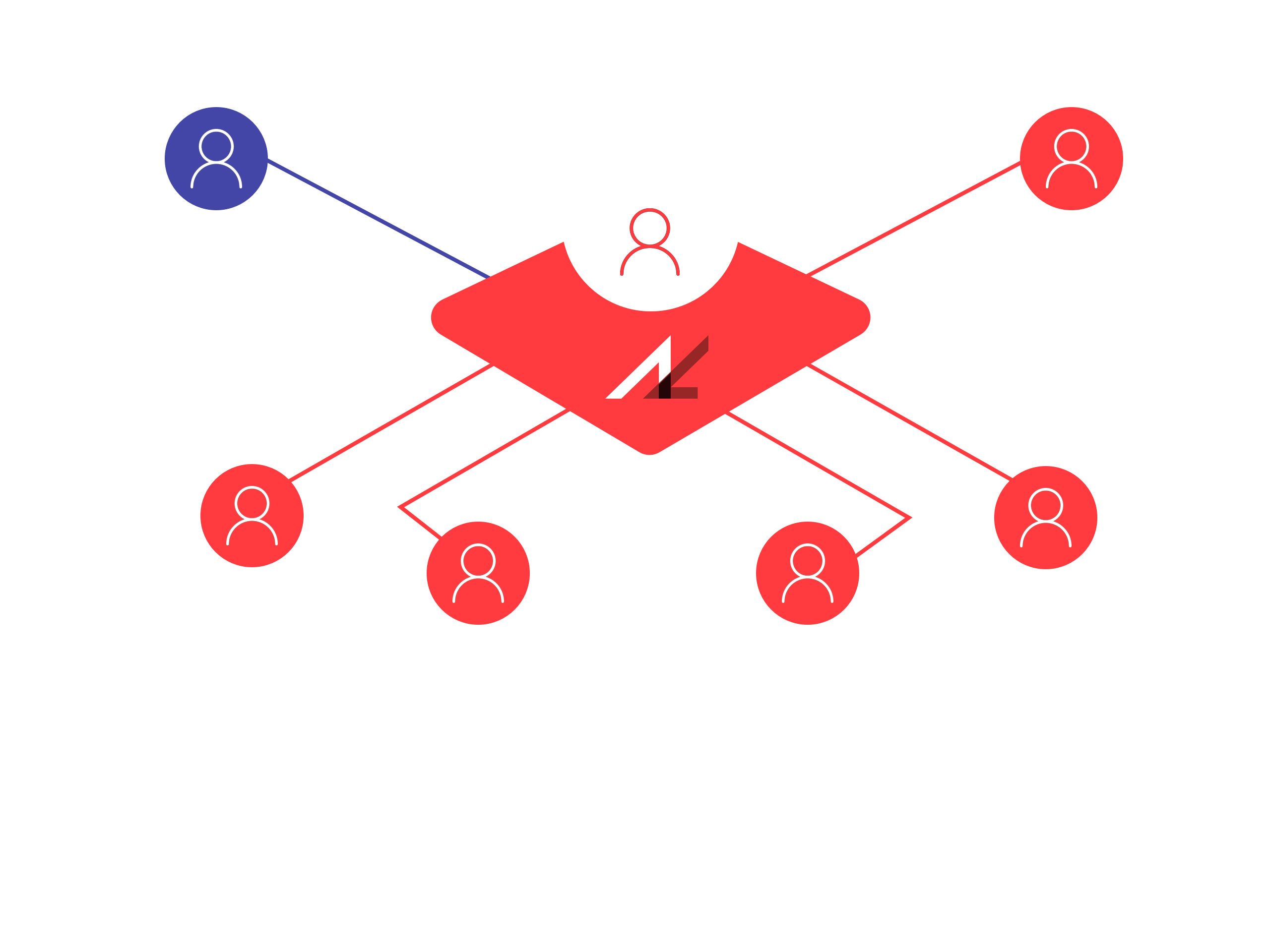
For You
Active Logic leads planning, implementation, QA, and release execution end-to-end while maintaining transparent checkpoints with your leadership team, so outcomes stay predictable and management overhead stays low.
Share what's holding your systems back. We'll map a modernization path that fits your timeline and risk tolerance.
